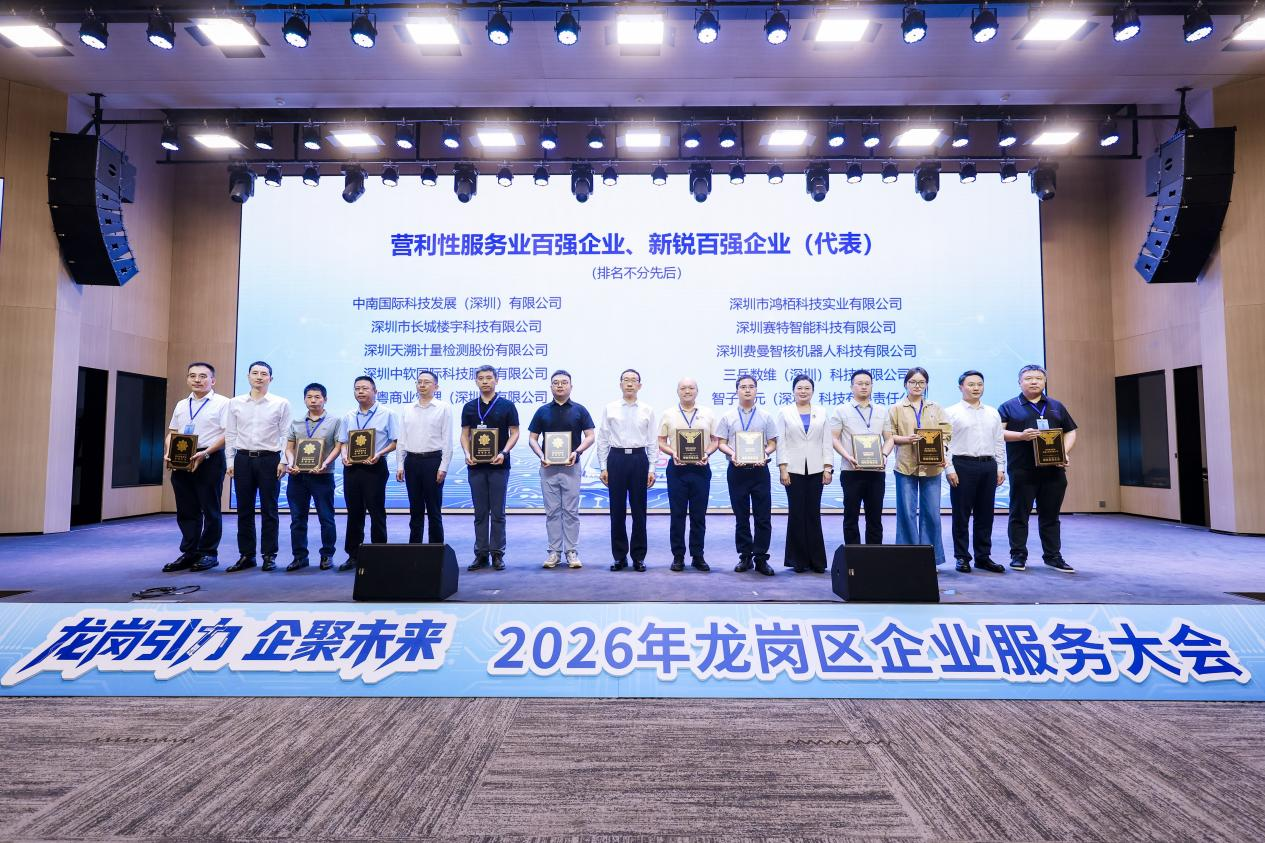
Shenzhen, China — September 2026 — Shenzhen Hongbai Technology Co., Ltd. has been recognized as one of the Top 100 Emerging Enterprises in Longgang District, following the announcement made at the 2026 Longgang Enterprise Service Conference. The conference was hosted by the CPC Longgang District Committee and the Longgang District Government. Hongbai Technology was selected for its strong innovation capabilities, solid technical expertise, and continued growth, marking another important recognition of the company’s development in Longgang and its more than 20 years of commitment to intelligent welding equipment. More Than 20 Years of Technology and Manufacturing Founded in 2003 and headquartered in Longgang District, Shenzhen, Hongbai Technology is a National High-Tech Enterprise and a National-Level Key “Little Giant” Enterprise, as well as a Guangdong Manufacturing Single Champion Enterprise and a standing council member of the China Welding Association. The company has also participated in national key scientific and technological research projects and National Torch Program projects. Hongbai Technology focuses on the R&D and manufacturing of intelligent equipment and customized industrial software, with capabilities covering the complete process from core technology development and precision manufacturing to system integration. With more than two decades of experience, the company has built particular expertise in automotive manufacturing and intelligent welding equipment, serving the evolving needs of modern manufacturing. Strong R&D and Engineering Capabilities Hongbai Technology currently has nearly 600 employees, with R&D personnel accounting for approximately 30% of its workforce. The company invests more than 15% of its annual sales revenue in R&D, continuously developing technologies for intelligent welding, automation, robotics, industrial software, and AI-enabled manufacturing. To date, Hongbai Technology has accumulated more than 200 patents and software copyrights across its domestic and international technology portfolio. The Guangdong Engineering Technology Research Center for Welding Equipment is also based at Hongbai Technology, further supporting the…
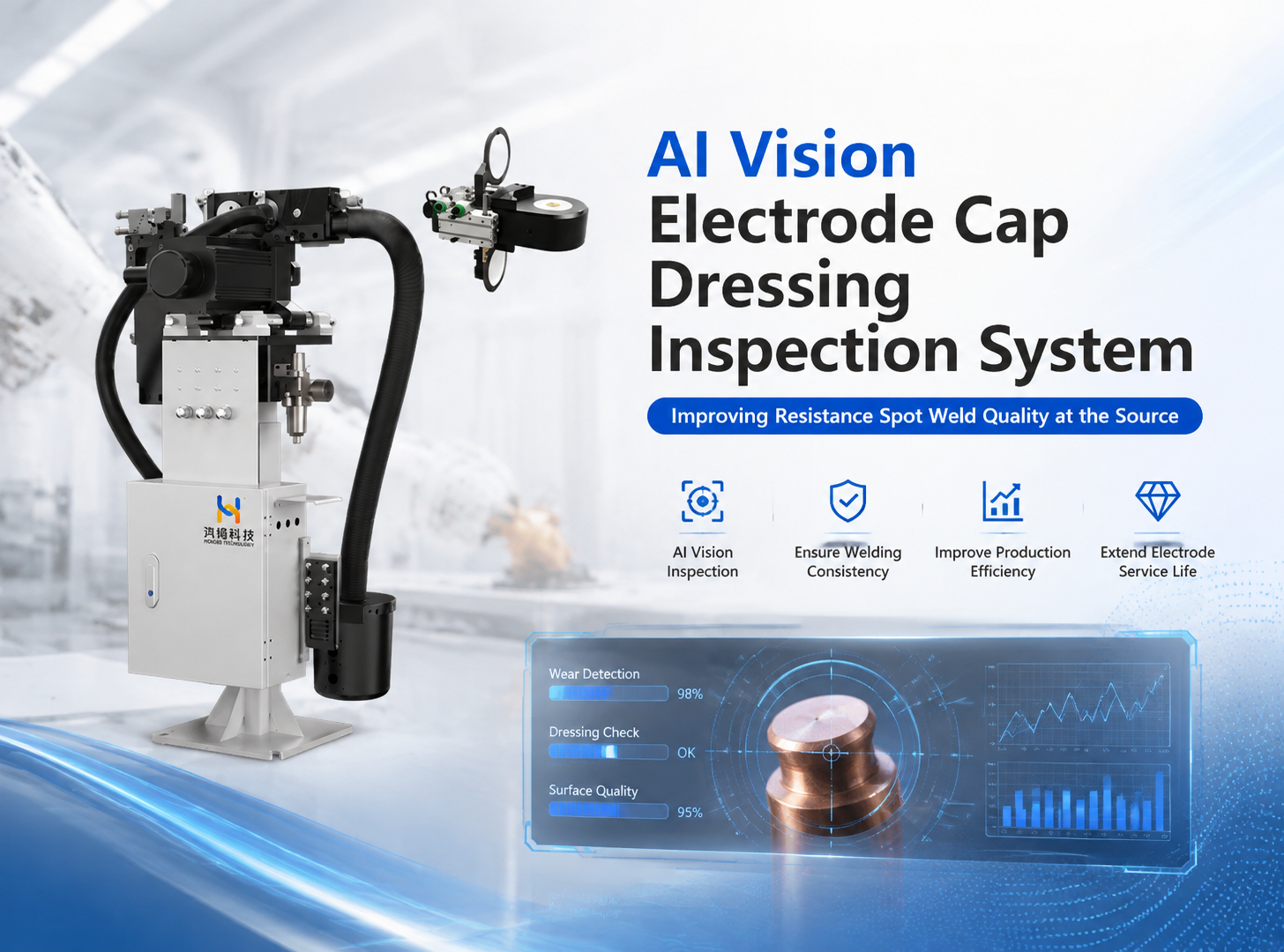
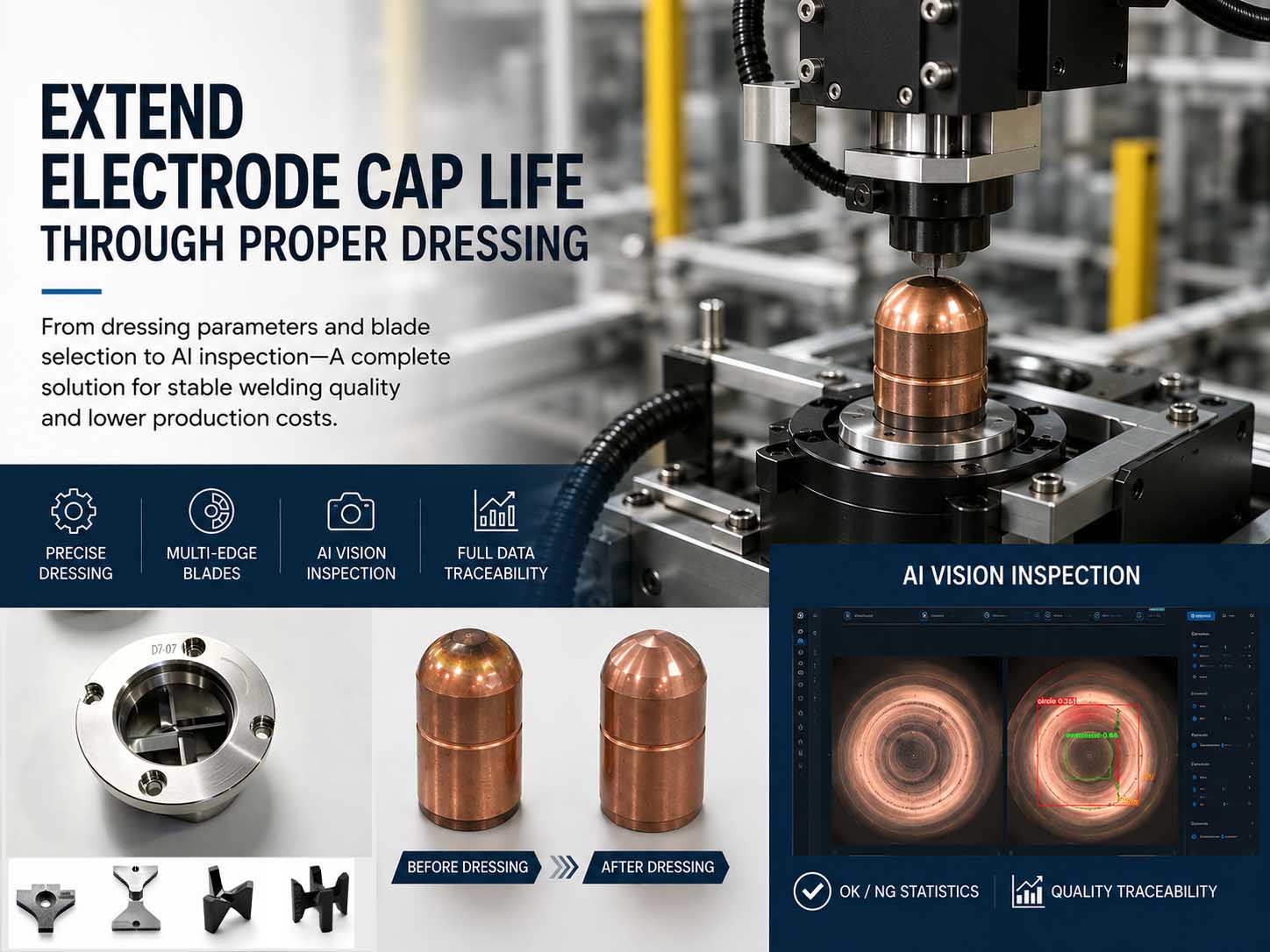
In automotive Body-in-White (BIW) production, resistance spot weld quality has a direct impact on vehicle structural integrity, safety, and durability. When investigating weld defects, manufacturers often focus on welding current, electrode force, and weld time. However, one critical factor affecting weld consistency is frequently overlooked—the condition of the electrode cap. Field experience has shown that inconsistent electrode cap dressing quality is one of the major causes of expulsion, undersized weld nuggets, weak welds, and poor weld consistency. As smart manufacturing continues to evolve, traditional maintenance methods based on manual inspection or fixed dressing intervals can no longer meet the requirements of high-speed automated production. AI-powered machine vision is rapidly becoming a new standard for resistance spot welding quality control. Why Is Electrode Cap Dressing So Important? The electrode cap directly influences current distribution and the electrical contact condition during resistance spot welding. After dressing, defects such as: • Off-center electrode face • Out-of-round electrode face • Copper pickup • Pits or raised surfaces • Incomplete or uneven dressing may result in: • Uneven current density • Inconsistent weld nugget size • Increased weld expulsion • Reduced weld strength • Shortened electrode life Therefore, electrode cap dressing quality affects not only electrode service life, but also the stability and consistency of every weld. Challenges with Conventional Electrode Dressing Many welding lines still rely on traditional electrode maintenance methods, including: • Dressing after a fixed number of welds • Manual visual inspection • Scheduled electrode cap replacement These methods present several limitations: • Inspection results depend heavily on operator experience. • Small surface defects are difficult to detect. • Premature dressing increases consumable costs, while delayed dressing compromises weld quality. • Lack of digital records makes root cause analysis and quality traceability difficult. For today’s high-volume automated welding lines, these approaches are…
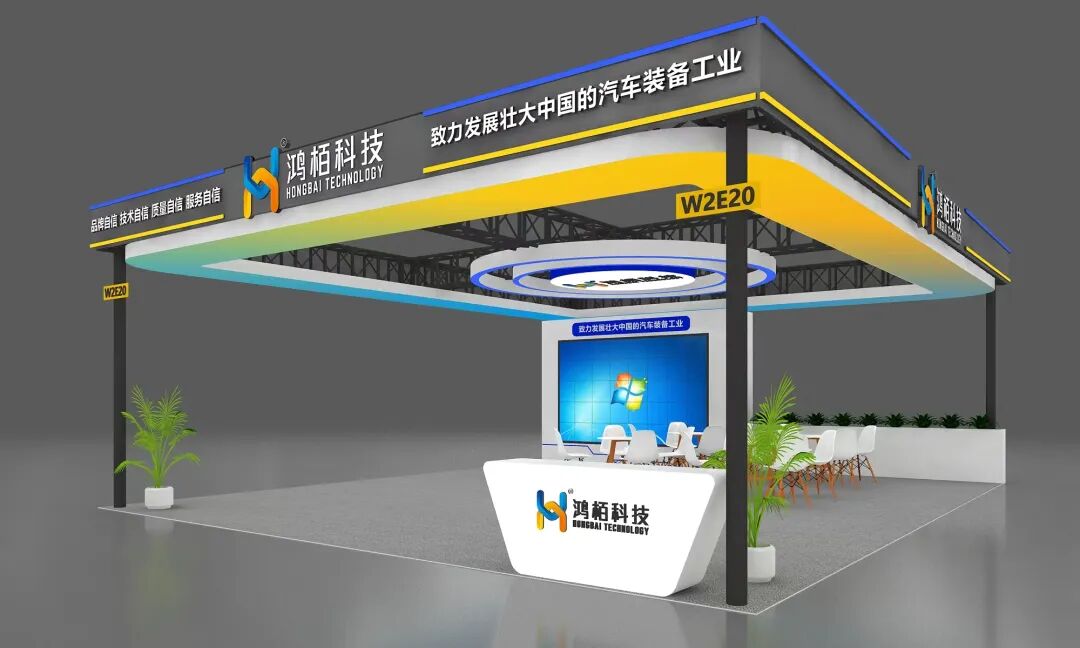
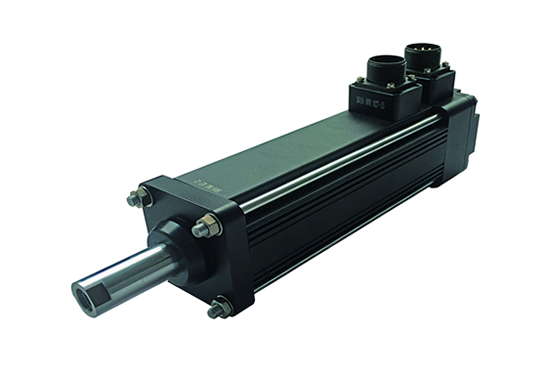
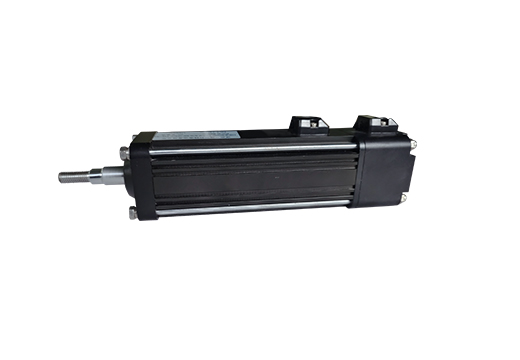
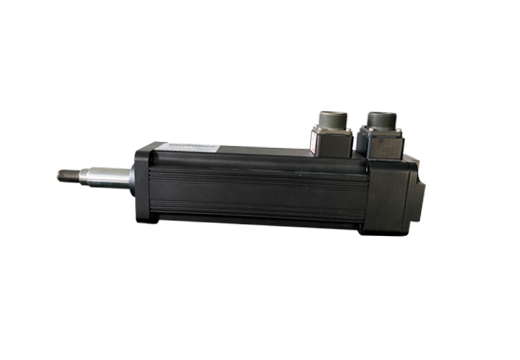
Date: July 8–10, 2026 Location: Shanghai New International Expo Centre Booth: W2‑E20 At AMTS 2026, Hongbai Technology demonstrates how closed‑loop welding solutions are transforming automotive manufacturing. From robotic stud welding to AI‑powered tip dressing, our 20 years of expertise come alive at Booth W2‑E20. We don’t just build machines — we build data‑driven quality assurance for every weld. Robotic Stud Welding: HEAS 5th‑Generation The HEAS robotic stud welding system is engineered for today’s toughest materials: aluminum car bodies, high‑strength steel, and ultra‑thin sheet metal. 0.34 ms current rise time ensures precise heat control 1 TB of full‑process data analyzed by our AI welding quality system One machine handles AC/DC for both steel and aluminum 4G/5G remote diagnostics and group control enabled One of the show’s biggest highlights: Hongbai Technology’s upgraded spot welding gun, paired with the HBXMQ‑003‑AOI dressing & changing unit featuring an AI vision inspection module, is deeply integrated with servo weld guns and FANUC robots to form a complete “Dressing – Inspection – Changing – Welding” closed‑loop workstation. Fits C‑type and X‑type welding guns 0.01 mm AI vision detects 11 electrode cap defects automatically Servo‑driven dress‑and‑change cycle in only 6 seconds Live demo: Watch dynamic tip dressing, real‑time visual inspection, and automated cap change Tip Dressing Machines for Every Production Line Hongbai offers a full range of tip dressers — from manual to fully automatic. Model Best for HBXMQ‑005 Handheld pneumatic, confined spaces HBXMQ‑001 Fixed motor‑driven, with copper dust collection HBXMQ‑002 Swing‑arm, ideal for robotic spot welding guns HBXMQ‑009 Single‑side automated dressing & changing HBXMQ‑007 Electrode cap removal, multi‑protocol All units use carbide‑coated blades and support IO, Profinet, Profibus. PIDS Semi‑Automatic Stud Welding Proven with FAW‑Volkswagen, BYD, and Tesla, the PIDS series delivers reliable semi‑automatic stud welding for flexible production. 1 A current accuracy via DSP digital control Linear motor lift with grating closed‑loop control 5 weld gun interfaces — one unit replaces five machines HBIES Servo Electric Cylinders A high‑performance domestic alternative, the HBIES servo electric cylinder uses a planetary roller screw for superior stiffness and life. 10 kN continuous thrust…
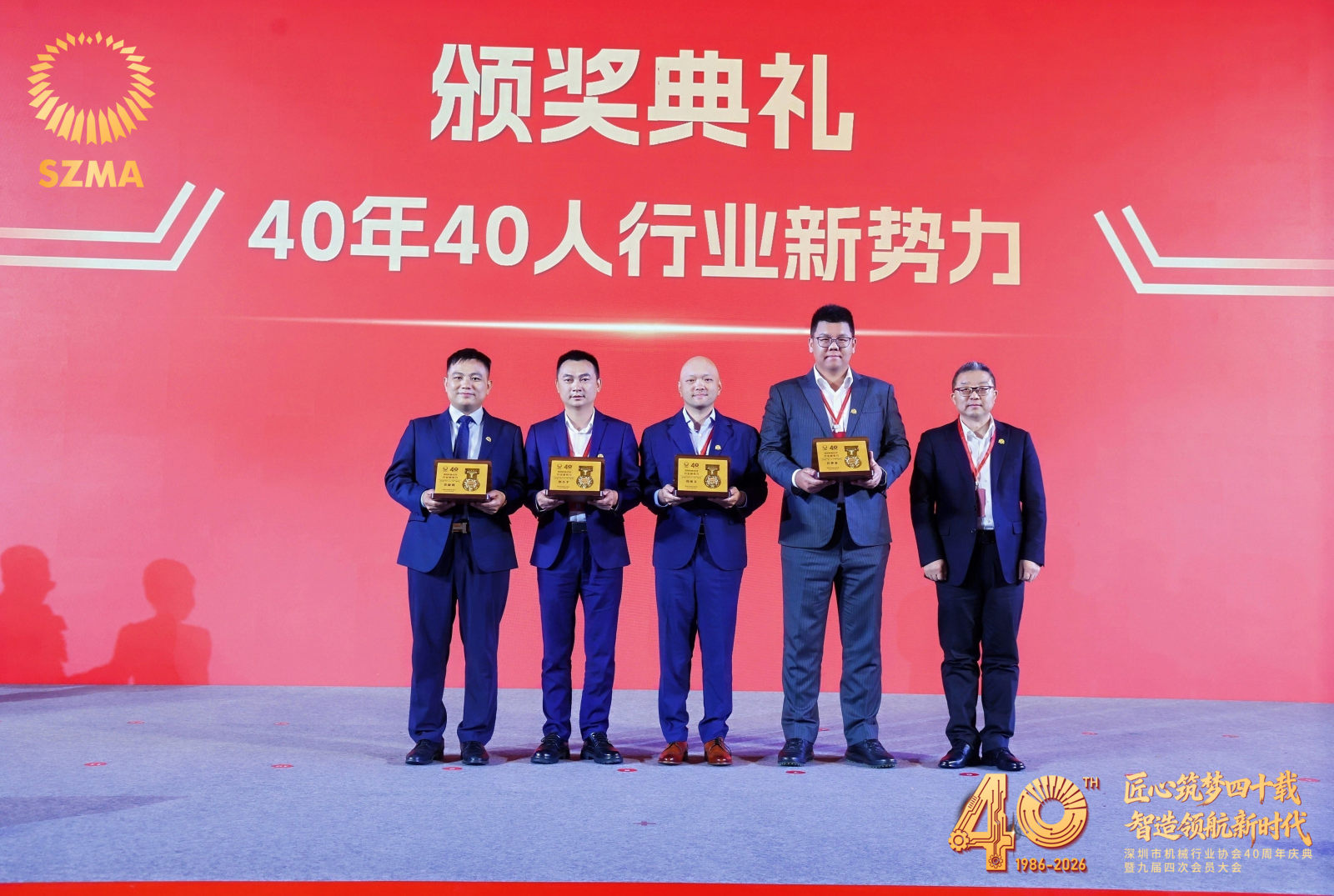
Recently, the 40th Anniversary Ceremony of Shenzhen Machinery Industry Association was successfully held. At the event, the official list of 40 Influential Leaders in 40 Years of Shenzhen Machinery was released. Mr. Han Peiwen, General Manager of Shenzhen Hongbai Technology Industrial Co., Ltd., was honored with the “New Industry Leader” title. This award recognizes his outstanding leadership, continuous technological innovation and long-term contributions to the machinery and intelligent manufacturing industry. For decades, high-end automotive welding equipment has long been dominated by European, American and Japanese brands. Since joining Hongbai Technology in 2009, Mr. Han has focused on automotive stud welding technology R&D and industrial upgrading. Leading the technical team, he overcame core technical barriers including high-power power control and advanced stud welding processes. Through independent innovation and countless R&D tests, Hongbai Technology successfully developed domestically self-developed automotive stud welding equipment, breaking long-term overseas market monopoly and realizing full import substitution. The company has steadily improved the localization rate of core components, stabilized the global supply chain, and achieved leading market share in the domestic industry. Meanwhile, our welding equipment and solutions have been exported worldwide, supporting the global development of the automotive manufacturing industry. In addition to technological breakthroughs, Mr. Han actively participates in industry standard formulation, promoting standardized and high-quality development of the welding equipment sector. This honor is a high recognition of Mr. Han’s personal achievements and Hongbai Technology’s adherence to independent R&D and high-quality manufacturing. In the future, Hongbai Technology will continue to focus on intelligent welding automation equipment, insist on technological innovation, and cooperate with global partners to empower the high-end and sustainable development of the global machinery and automotive manufacturing industry.
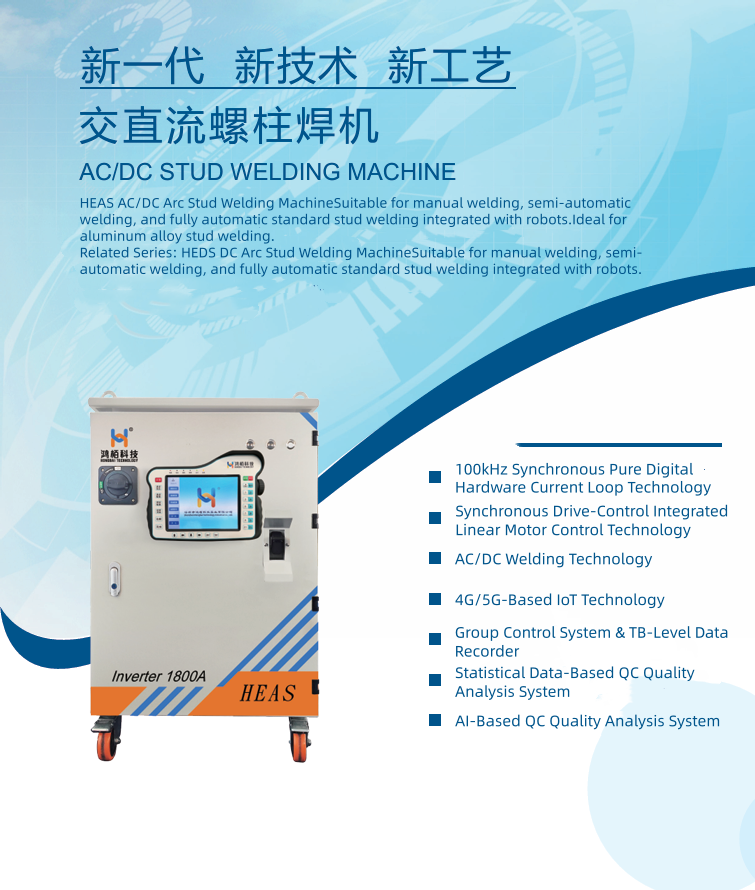
AC/DC stud welding machine is a professional stud welding equipment that outputs both AC and DC welding currents, suitable for stud welding of steel, stainless steel, aluminum, copper alloy and other metals. Inverter Technology: High-frequency inverter (20-50kHz) for efficient energy conversion and low no-load loss. AC/DC Switching: DC mode (for steel, stainless steel studs, stable arc, less spatter); AC mode (for aluminum, magnesium alloy, removes oxide film, reduces pores).
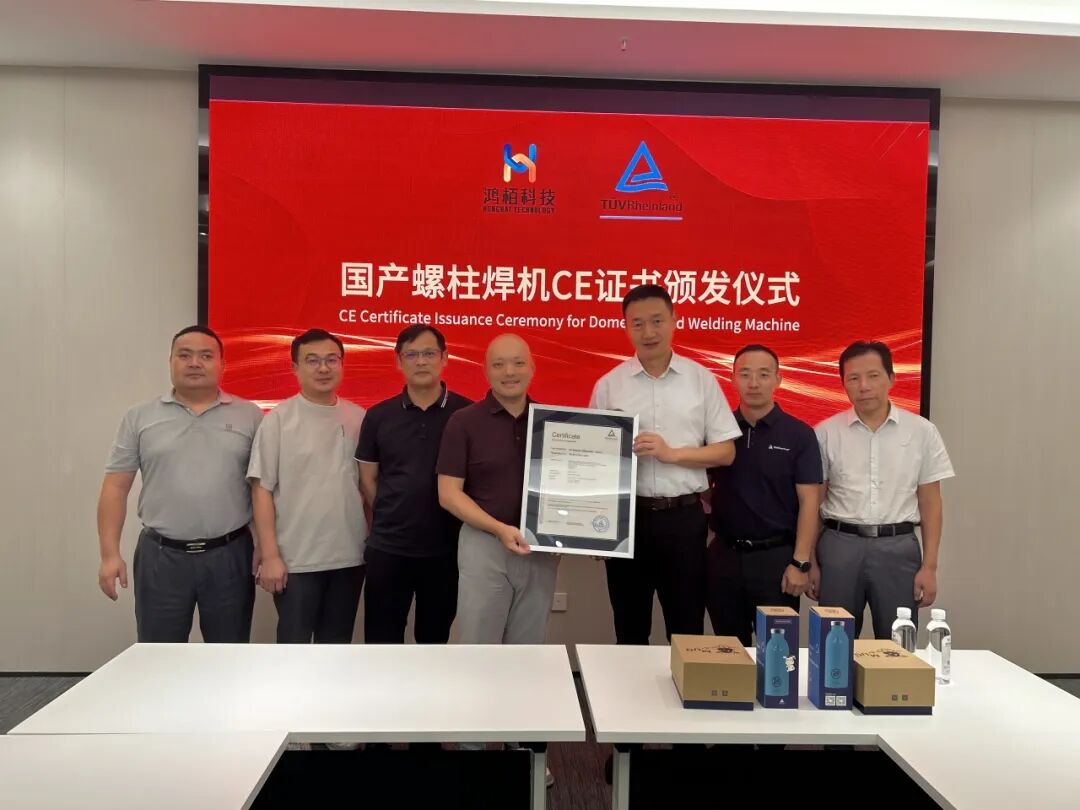
We are pleased to announce that Hongbai Technology’s full range of stud welding machines has successfully obtained CE certificationawarded by TÜV Rheinland, one of the world’s most respected certification bodies. On August 19 2025, the official certificate presentation ceremony was held at our Fenggang, Dongguan facility.This certification confirms that all our standard, customized and intelligent stud welding models fully comply with EU directives and safety standards,granting official market access to the European Union and European Economic Area. As a mandatory EU certification covering safety, health and environmental protection, CE compliance underscores our commitment to product reliability and global standards.For industrial welding equipment, it ensures compliance with key EN standards, enhanced operational safety, stable performance and worldwide recognition. Backed by 22 years of expertise in smart manufacturing, over 100 patents, continuous R&D investment exceeding 15% of annual revenue,and strict quality control in line with the ISO9001 management system, Hongbai Technology delivers robust, high-performance solutions for automotive, aerospace, construction and precision manufacturing industries. This milestone marks only the beginning.We will continue to innovate in intelligent and automated welding technologies, expand our global footprint,and provide customers with reliable, full-lifecycle support worldwide.
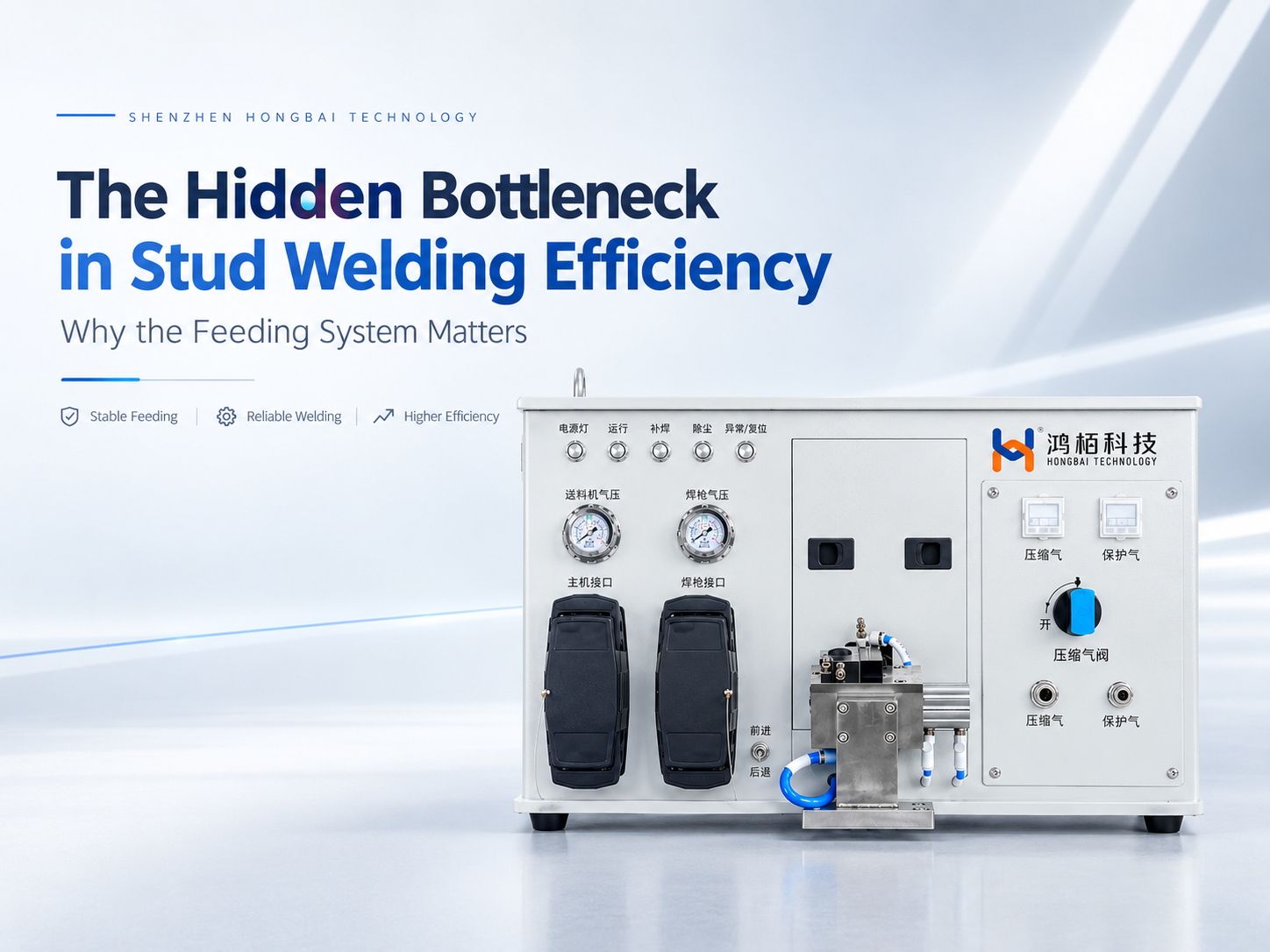
In automated stud welding, manufacturers naturally focus on the welding power source, weld gun, and robot. Welding current, weld time, positioning accuracy, and robot speed are all critical parameters. Yet when a system moves into continuous production, another factor often has a much greater impact on the actual production cycle than expected: how reliably the next stud is prepared for welding. A complete automated stud welding cycle involves much more than the welding operation itself. The stud must be separated, conveyed, positioned, loaded into the weld gun, and finally welded. If the feeding process is delayed or interrupted, the welding system and robot may have to wait, regardless of how fast the welding process itself can run. This is why the feeding system should not be treated simply as an accessory to a stud welding machine. In a high-volume production environment, it is part of the process that determines whether the entire welding cycle can continue smoothly. The goal of an automatic stud feeding system is not simply to feed a stud. It is to make sure the right stud is ready, in the right position, at the right time. 01 | When Welding Is Fast, Why Can Production Throughput Still Fall Short? When evaluating an automated stud welding system, welding time is usually one of the first parameters engineers consider. However, high performance at the welding stage does not automatically translate into high production throughput. The reason is that the actual production cycle includes several operations before the weld is made: Stud Separation → Feeding → Stud Positioning → Gun Loading → Robot Positioning → Welding Once one stud has been welded, the robot is ready to move to the next weld location. At the same time, the next stud needs to be prepared. If the robot reaches the…
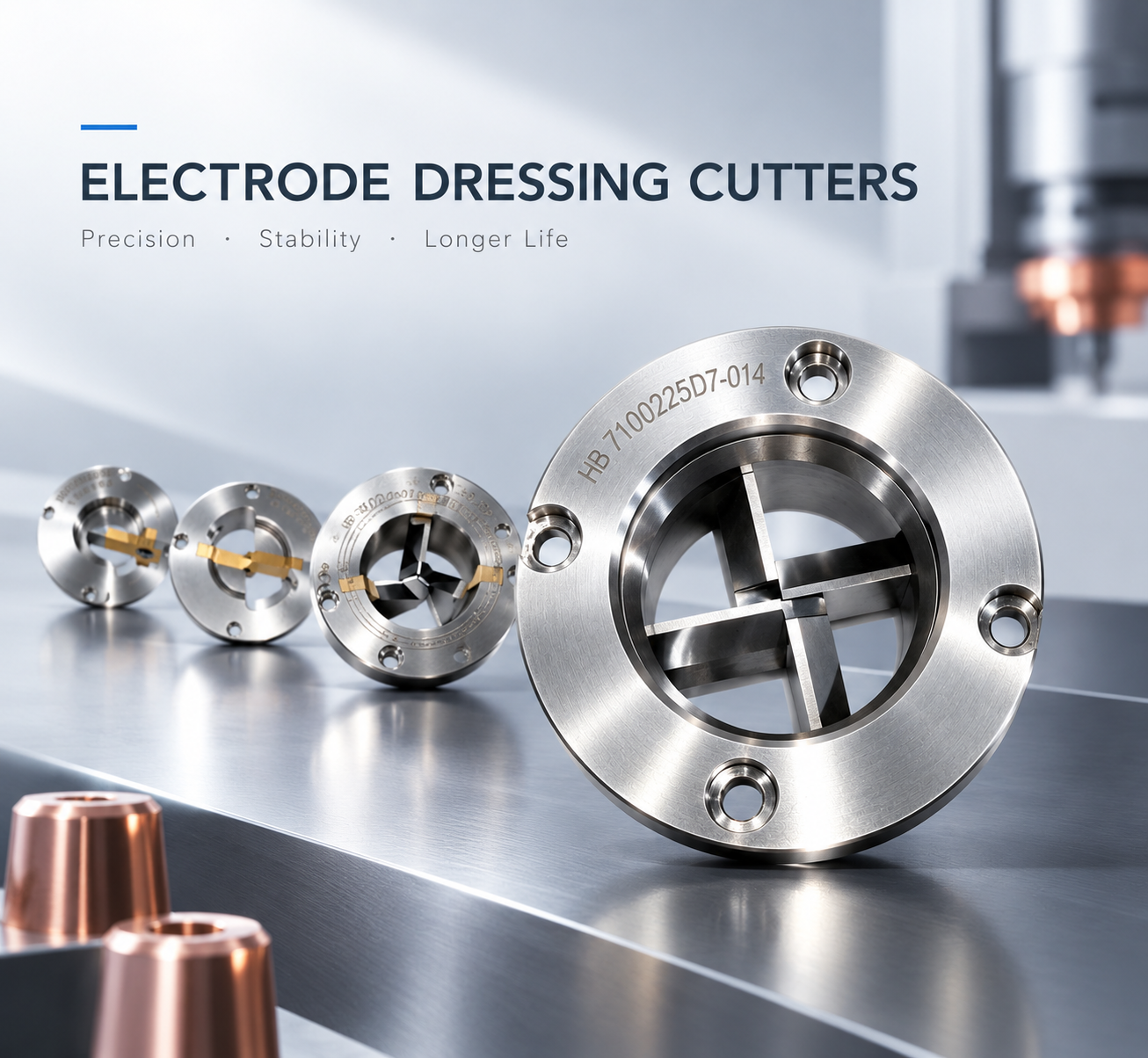
In Body-in-White (BIW) production, electrode cap dressing may seem like a relatively small operation. In practice, however, it has a direct connection with electrode cap life, weld consistency, production cycle time, and maintenance cost. Many problems on the shop floor do not start with a failure of the electrode dresser itself. They often develop gradually from the cutter: an unsuitable cutter selection, a mismatch between the cutter and dressing parameters, or continued use after the cutting edge has worn. The result may eventually appear as an abnormal electrode face, inconsistent dressing, or changes in weld quality. From our experience with electrode cap dressing applications, we believe that an electrode dressing cutter should not be selected based only on purchase price or theoretical tool life. The cutter, electrode cap, dressing machine, and process parameters need to work as one matched system. This is one of the key factors we consider when developing electrode cap dressing solutions. 1. Why Does an Electrode Dressing Cutter Affect Weld Quality? After continuous welding, the electrode cap gradually develops wear, deformation, and material buildup on its working face. If the electrode cap is not dressed at the appropriate interval, its geometry changes. This can affect the contact area and current density during resistance spot welding. The purpose of electrode cap dressing is not simply to “remove a layer” from the cap. The objective is to restore a stable: Electrode face diameter Face geometry Concentricity Surface condition Contact geometry The dressing cutter is the component that directly creates this geometry. When the cutter condition changes, the dressing result changes with it. For example, as a cutting edge becomes dull, the actual cutting condition may change even when spindle speed, dressing pressure, and dressing time remain unchanged. On the production line, this may appear as: Changes in electrode…
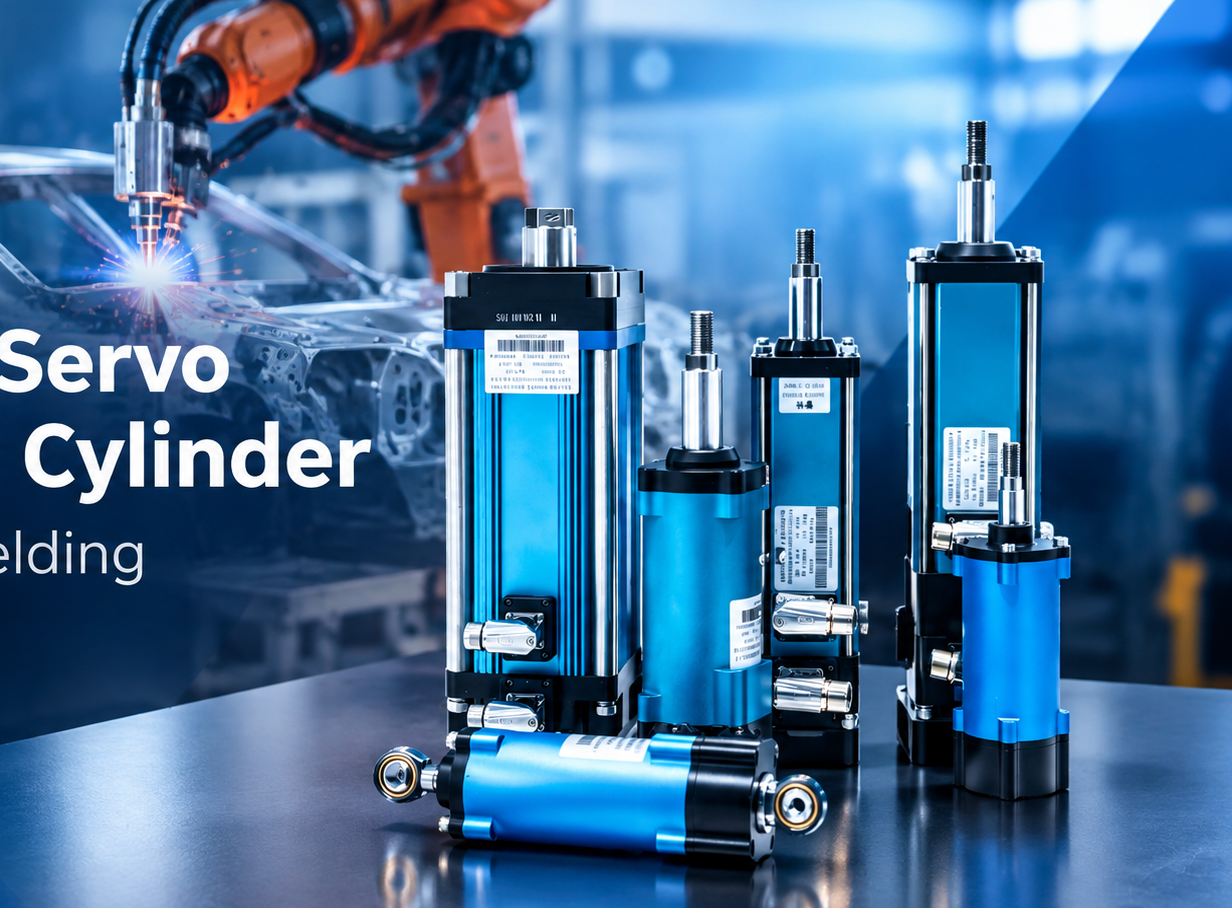
In robotic spot welding, welding current often gets most of the attention. But current alone does not determine whether a weld will be stable. Welding force, electrode movement, response speed and force repeatability also directly influence the welding process. This becomes even more important when one welding gun needs to handle different sheet thicknesses or when aluminum is introduced into automotive body structures. This is where the actuator inside the welding gun matters. A hollow servo electric cylinder combines servo actuation, precision screw transmission and position/force control into a compact linear unit. For robotic spot welding, its role goes beyond simply opening and closing the electrodes. It provides the mechanical and control foundation for accurate welding-force management and adaptive coordination between welding force and welding current. 1. What Is a Hollow Servo Electric Cylinder? 1. 什么是空心伺服电动气缸? A hollow servo electric cylinder is a linear actuator designed to convert servo motor rotation into controlled linear motion. Unlike a conventional actuator consisting of a servo motor, reduction mechanism and separate screw transmission, a linear integrated electric cylinder can place the motor and screw mechanism on the same axis. This shortens the transmission path and creates a more compact mechanical structure. For a robotic spot welding gun, this design has several practical benefits. The actuator needs to operate within a limited installation envelope while repeatedly generating high welding force. At the same time, the gun must move quickly enough to meet the cycle time of an automated production line. A shorter mechanical transmission path can help reduce unnecessary transmission components and provide a more direct connection between servo motion and electrode movement. This is one reason why a hollow servo electric cylinder for spot welding is particularly suitable for applications where compact installation, mechanical stiffness and dynamic response are important. 2. Why Does…
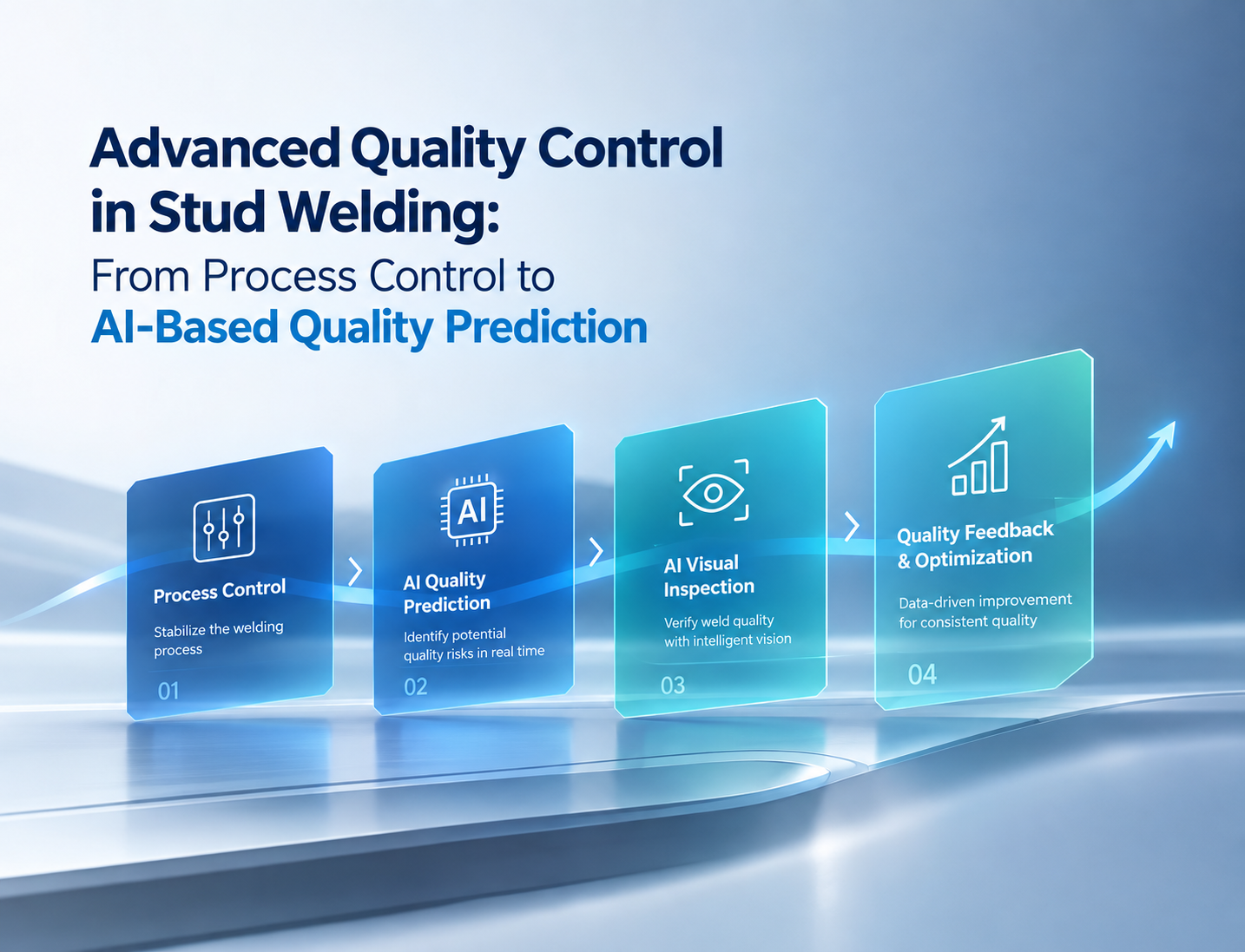
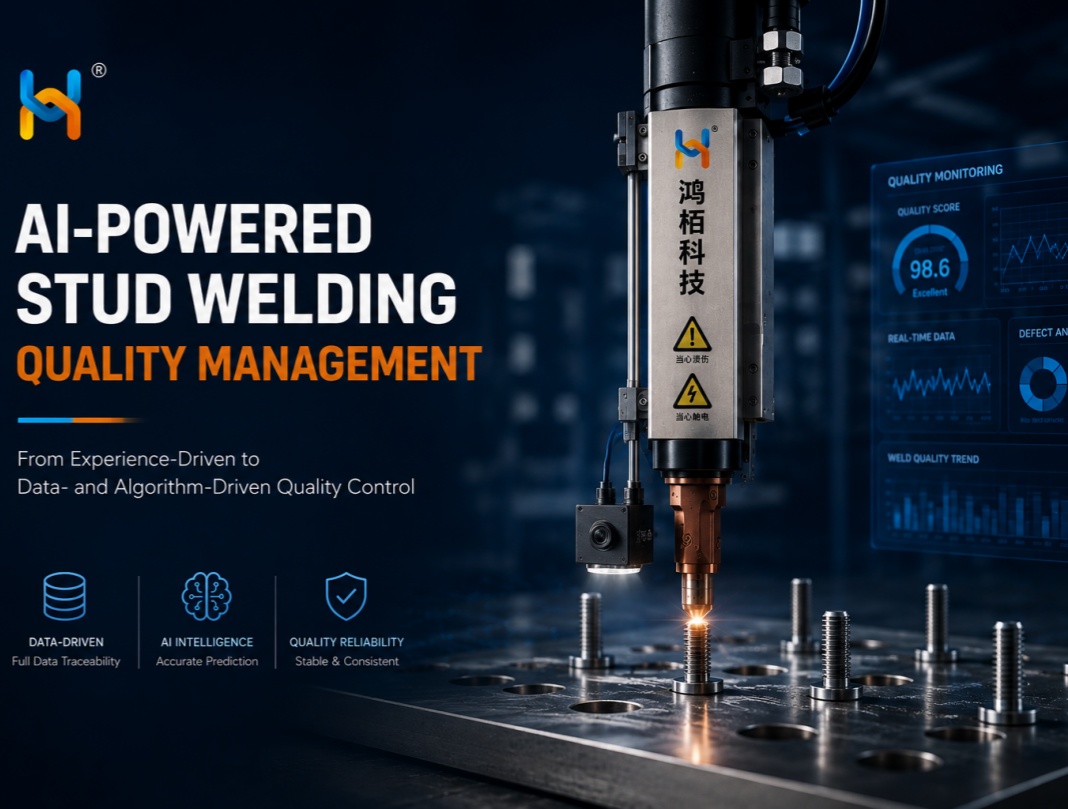
In stud welding production, the real challenge is often not whether a stud can be welded successfully, but whether it can be welded consistently and reliably over and over again. For a single stud, achieving a successful weld may not be particularly difficult. However, once stud welding is introduced into high-volume production environments such as automotive body-in-white, construction machinery, rail transportation, and sheet-metal manufacturing for home appliances, a single system may be required to perform thousands or even tens of thousands of welds continuously. At that point, weld quality is no longer determined simply by preset parameters such as weld current and weld time. Line voltage can fluctuate. The surface condition of the workpiece may vary due to oil contamination, oxidation, or coating differences. Pneumatic supply pressure may change. Equipment temperature may rise during extended operation. Different batches of studs may also vary in material properties and dimensional tolerances. Although these changes may appear minor, they can affect the arc condition, melting behavior, and final weld result within a welding cycle that takes place in milliseconds. For true high-volume manufacturing, therefore, the question is no longer simply: “Can this stud be welded successfully?” The more important question is: “When production conditions continuously change, how can the first stud and the last stud maintain as consistent a welding condition as possible?” This is exactly the challenge addressed by AQC2, Hongbai’s 2nd-Generation Active Quality Control technology, within the HEAS intelligent stud welding system. 1. From Parameter Execution to Active Control: A Changing Approach to Stud Weld Quality Traditional stud welding typically follows a straightforward sequence: Set Parameters → Perform Welding → Inspect After Welding Engineers set parameters such as weld current, weld time, and lift distance according to the workpiece material, stud specifications, and process requirements. The equipment then performs the weld…
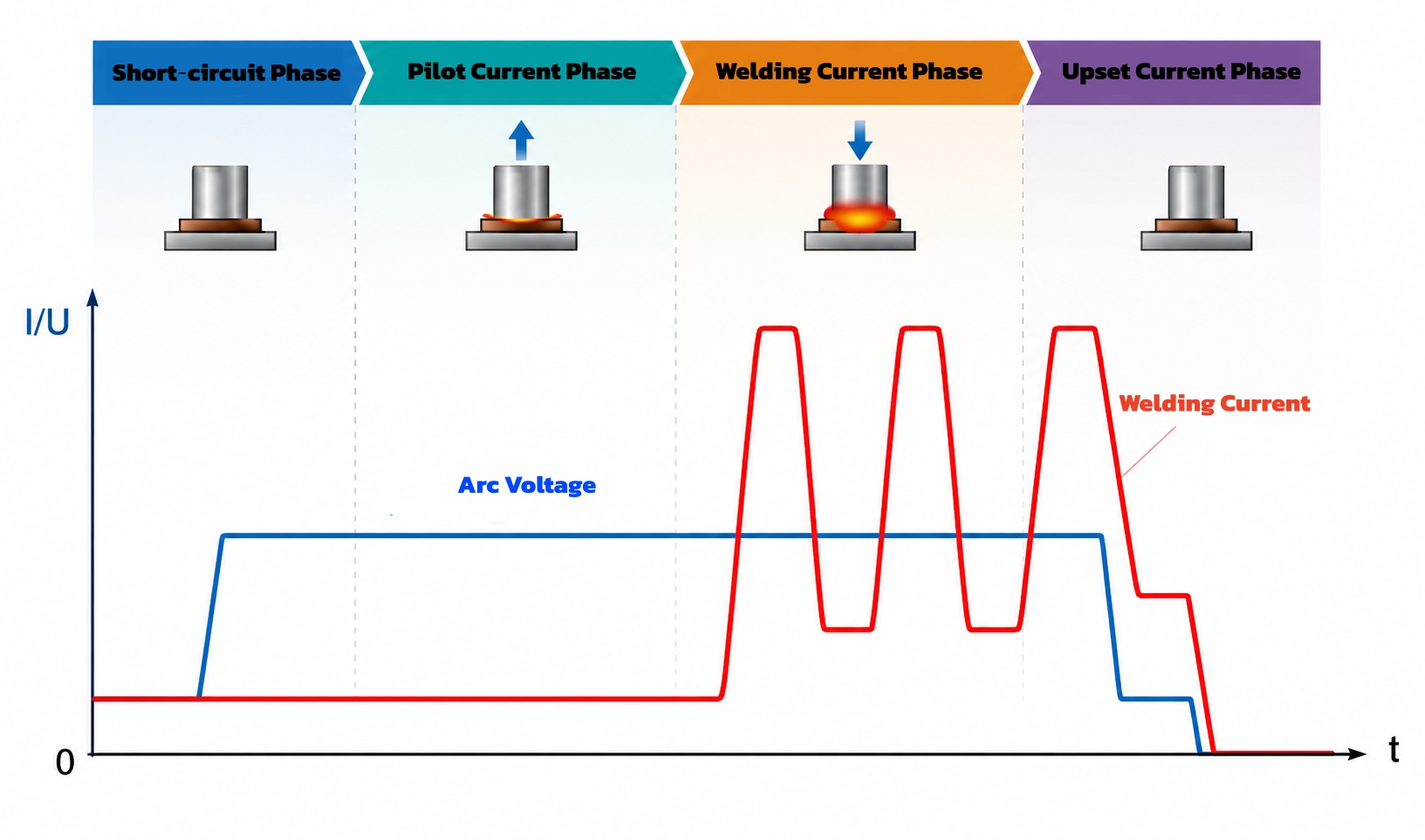
Why Monitor Penetration in Stud Welding? In stud welding, the result is not simply about whether the stud is attached to the workpiece. When the stud tip and workpiece surface are melted, sufficient fusion must be achieved to form a reliable joint. Insufficient fusion can affect joint strength, while excessive heat input may cause localized overheating or even burn-through when welding thin sheet metal. In conventional production, engineers typically control the process through parameters such as welding current, welding time, and lift height, followed by visual inspection and sampling-based destructive testing. But these methods do not always answer a more direct question: What actually happened to this individual stud during the weld? This is where the penetration monitoring function of the PIDS Series Stud Welding System comes into play. The system monitors the change in stud position before and after welding, calculates the corresponding penetration value, and provides the result on the operator interface after the weld is completed. Penetration therefore becomes a measurable process variable rather than something that can only be evaluated indirectly through post-weld inspection. 1. How Does PIDS Penetration Monitoring Work? 1.1 The Principle Is Measurement, Not Visual Inspection PIDS penetration monitoring does not rely on a camera to directly observe the molten pool after welding. Instead, it is based on the change in stud position before and after the welding cycle. Before welding begins, the system establishes the initial stud position as a reference. Once the arc is initiated, the stud tip and workpiece surface melt to form a molten pool. The stud then moves into the molten pool and the weld is completed. After welding, the system records the final stud position. The change between the initial and final positions is then used to calculate the corresponding penetration value. The process can be simplified…
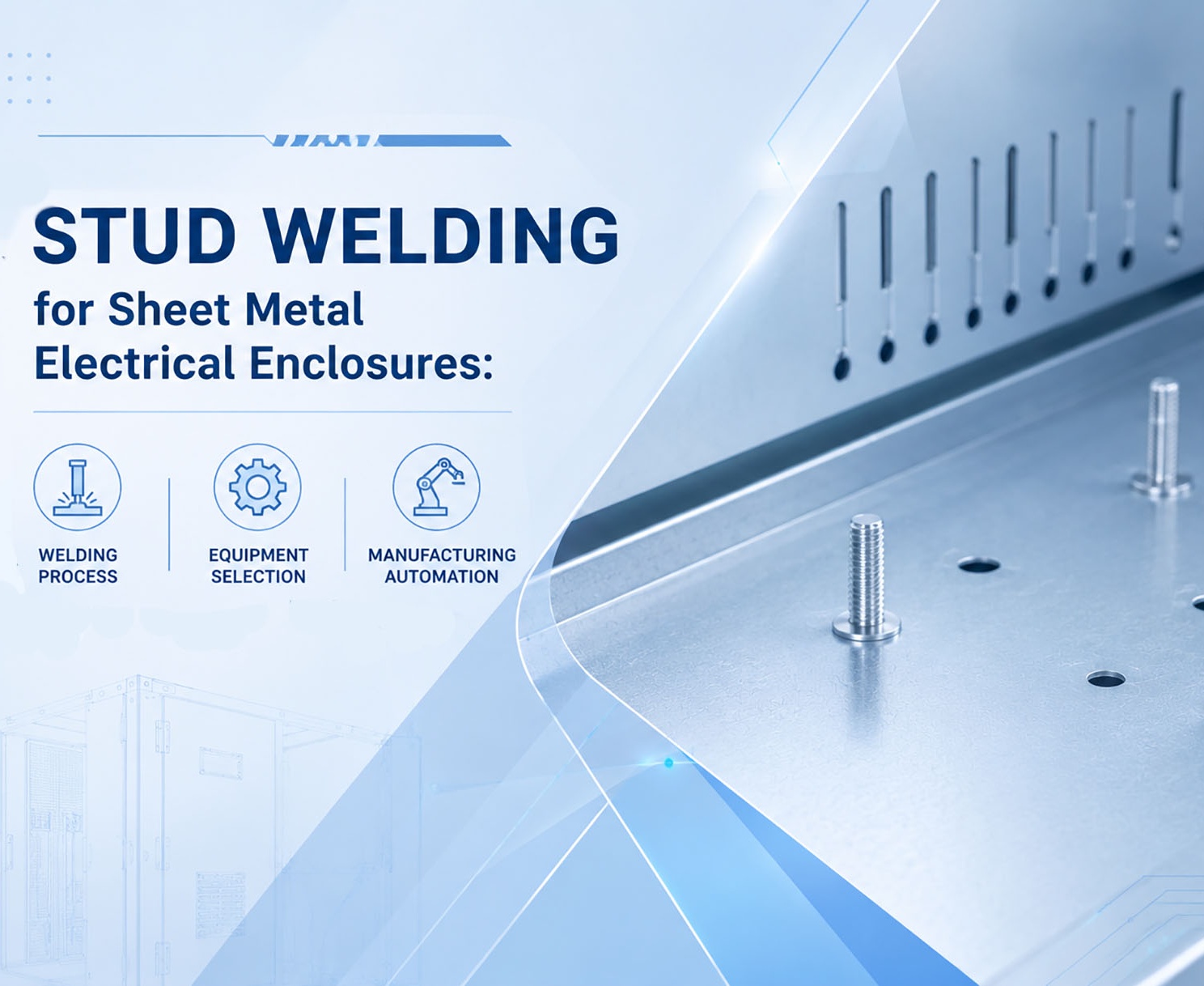
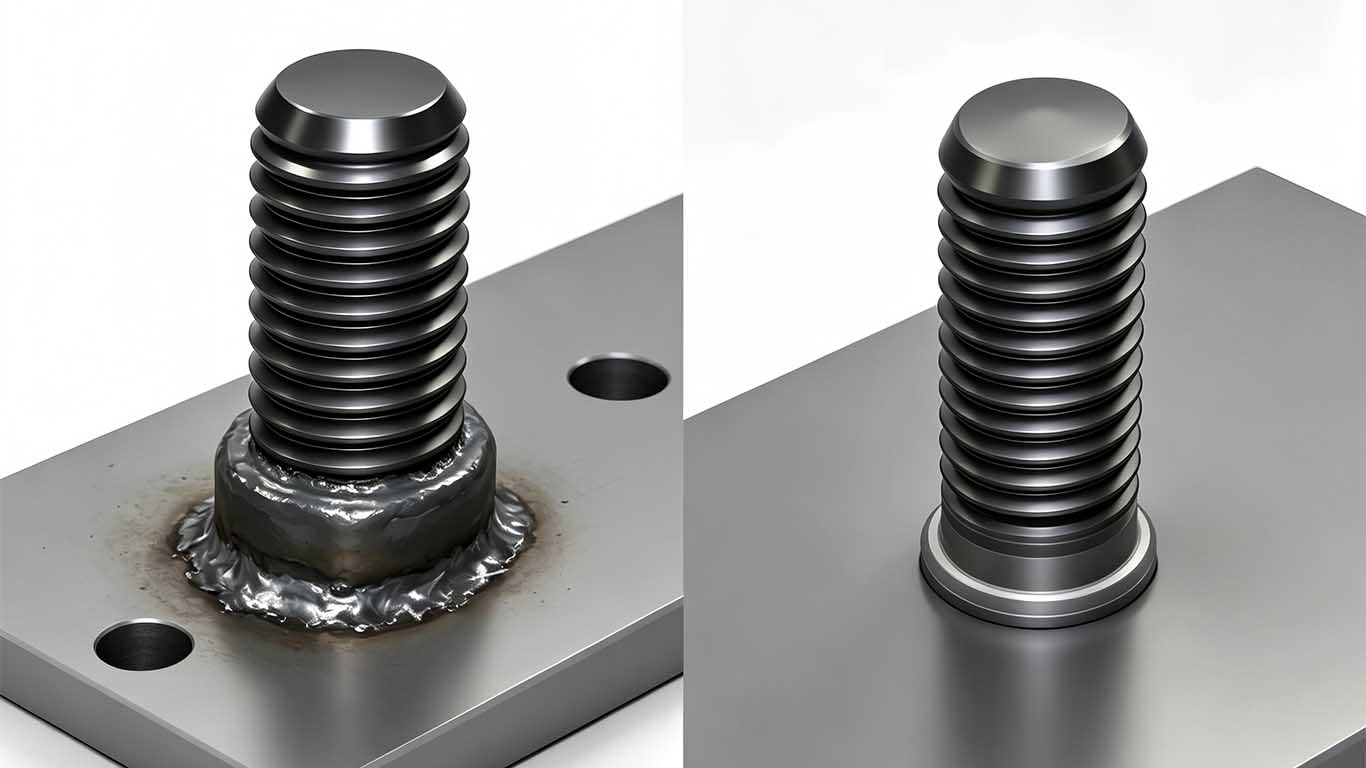
1. Stud Welding in Sheet Metal Electrical Enclosure Manufacturing Stud welding is widely used for fastening applications in electrical enclosures, control cabinets, switchgear cabinets, distribution boxes, and other sheet metal structures. Compared with conventional nut welding, drilling and tapping, or mechanical fastening, stud welding allows a threaded stud or fastening element to be permanently attached directly to the sheet metal surface, reducing additional machining and assembly operations. Typical applications include grounding studs, mounting studs for circuit breakers and terminal blocks, busbar supports, cable management components, door hardware, and other internal cabinet components. In practical production, the selection of a sheet metal stud welding process depends mainly on sheet thickness, stud diameter, base material, required joint strength, surface condition, and the appearance requirements of the opposite side of the workpiece. For thin sheet metal electrical enclosures, minimizing distortion, discoloration, and visible marks on the reverse side can be particularly important. For structural components and grounding connections, weld strength and process consistency may take priority. Therefore, selecting stud welding equipment for electrical enclosures requires more than simply checking the welding current or stud diameter. The welding power source, stud welding gun, stud feeder, workholding system, and level of automation all need to be considered as part of the same process. 2. Capacitor Discharge and Drawn Arc Stud Welding 2.1 Capacitor Discharge Stud Welding Capacitor discharge (CD) stud welding stores electrical energy in capacitors and releases it over an extremely short welding cycle. Typical welding time is approximately 0.001–0.003 seconds, with peak current reaching approximately 5,000–10,000 A. Because the welding cycle is extremely short, heat input is concentrated around the weld area. This makes capacitor discharge stud welding particularly suitable for thin sheet metal and applications where backside appearance is important. Hongbai’s PFC Series capacitor discharge stud welding machines support stud diameters from…
07
2026 - 09
Shenzhen, China — September 2026 — Shenzhen Hongbai Technology Co., Ltd. has been recognized as one of the Top 100 Emerging Enterprises in Longgang District, following the announcement made at the 2026 Longgang Enterprise Service Conference. The conference was hosted by the CPC Longgang District Committee and the Longgang District Government. Hongbai Technology was selected for its strong innovation capabilities, solid technical expertise, and continued growth, marking another important recognition of the company’s development in Longgang and its more than 20 years of commitment to intelligent welding equipment. More Than 20 Years of Technology and Manufacturing Founded in 2003 and headquartered in Longgang District, Shenzhen, Hongbai Technology is a National High-Tech Enterprise and a National-Level Key “Little Giant” Enterprise, as well as a Guangdong Manufacturing Single Champion Enterprise and a standing council member of the China Welding Association. The company has also participated in national key scientific and technological research projects and National Torch Program projects. Hongbai Technology focuses on the R&D and manufacturing of intelligent equipment and customized industrial software, with capabilities covering the complete process from core technology development and precision manufacturing to system integration. With more than two decades of experience, the company has built particular expertise in automotive manufacturing and intelligent welding equipment, serving the evolving needs of modern manufacturing. Strong R&D and Engineering Capabilities Hongbai Technology currently has nearly 600 employees, with R&D personnel accounting for approximately 30% of its workforce. The company invests more than 15% of its annual sales revenue in R&D, continuously developing technologies for intelligent welding, automation, robotics, industrial software, and AI-enabled manufacturing. To date, Hongbai Technology has accumulated more than 200 patents and software copyrights across its domestic and international technology portfolio. The Guangdong Engineering Technology Research Center for Welding Equipment is also based at Hongbai Technology, further supporting the…
16
2026 - 07
In automotive Body-in-White (BIW) production, resistance spot weld quality has a direct impact on vehicle structural integrity, safety, and durability. When investigating weld defects, manufacturers often focus on welding current, electrode force, and weld time. However, one critical factor affecting weld consistency is frequently overlooked—the condition of the electrode cap. Field experience has shown that inconsistent electrode cap dressing quality is one of the major causes of expulsion, undersized weld nuggets, weak welds, and poor weld consistency. As smart manufacturing continues to evolve, traditional maintenance methods based on manual inspection or fixed dressing intervals can no longer meet the requirements of high-speed automated production. AI-powered machine vision is rapidly becoming a new standard for resistance spot welding quality control. Why Is Electrode Cap Dressing So Important? The electrode cap directly influences current distribution and the electrical contact condition during resistance spot welding. After dressing, defects such as: • Off-center electrode face • Out-of-round electrode face • Copper pickup • Pits or raised surfaces • Incomplete or uneven dressing may result in: • Uneven current density • Inconsistent weld nugget size • Increased weld expulsion • Reduced weld strength • Shortened electrode life Therefore, electrode cap dressing quality affects not only electrode service life, but also the stability and consistency of every weld. Challenges with Conventional Electrode Dressing Many welding lines still rely on traditional electrode maintenance methods, including: • Dressing after a fixed number of welds • Manual visual inspection • Scheduled electrode cap replacement These methods present several limitations: • Inspection results depend heavily on operator experience. • Small surface defects are difficult to detect. • Premature dressing increases consumable costs, while delayed dressing compromises weld quality. • Lack of digital records makes root cause analysis and quality traceability difficult. For today’s high-volume automated welding lines, these approaches are…
25
2026 - 06
Date: July 8–10, 2026 Location: Shanghai New International Expo Centre Booth: W2‑E20 At AMTS 2026, Hongbai Technology demonstrates how closed‑loop welding solutions are transforming automotive manufacturing. From robotic stud welding to AI‑powered tip dressing, our 20 years of expertise come alive at Booth W2‑E20. We don’t just build machines — we build data‑driven quality assurance for every weld. Robotic Stud Welding: HEAS 5th‑Generation The HEAS robotic stud welding system is engineered for today’s toughest materials: aluminum car bodies, high‑strength steel, and ultra‑thin sheet metal. 0.34 ms current rise time ensures precise heat control 1 TB of full‑process data analyzed by our AI welding quality system One machine handles AC/DC for both steel and aluminum 4G/5G remote diagnostics and group control enabled One of the show’s biggest highlights: Hongbai Technology’s upgraded spot welding gun, paired with the HBXMQ‑003‑AOI dressing & changing unit featuring an AI vision inspection module, is deeply integrated with servo weld guns and FANUC robots to form a complete “Dressing – Inspection – Changing – Welding” closed‑loop workstation. Fits C‑type and X‑type welding guns 0.01 mm AI vision detects 11 electrode cap defects automatically Servo‑driven dress‑and‑change cycle in only 6 seconds Live demo: Watch dynamic tip dressing, real‑time visual inspection, and automated cap change Tip Dressing Machines for Every Production Line Hongbai offers a full range of tip dressers — from manual to fully automatic. Model Best for HBXMQ‑005 Handheld pneumatic, confined spaces HBXMQ‑001 Fixed motor‑driven, with copper dust collection HBXMQ‑002 Swing‑arm, ideal for robotic spot welding guns HBXMQ‑009 Single‑side automated dressing & changing HBXMQ‑007 Electrode cap removal, multi‑protocol All units use carbide‑coated blades and support IO, Profinet, Profibus. PIDS Semi‑Automatic Stud Welding Proven with FAW‑Volkswagen, BYD, and Tesla, the PIDS series delivers reliable semi‑automatic stud welding for flexible production. 1 A current accuracy via DSP digital control Linear motor lift with grating closed‑loop control 5 weld gun interfaces — one unit replaces five machines HBIES Servo Electric Cylinders A high‑performance domestic alternative, the HBIES servo electric cylinder uses a planetary roller screw for superior stiffness and life. 10 kN continuous thrust…
24
2026 - 04
Recently, the 40th Anniversary Ceremony of Shenzhen Machinery Industry Association was successfully held. At the event, the official list of 40 Influential Leaders in 40 Years of Shenzhen Machinery was released. Mr. Han Peiwen, General Manager of Shenzhen Hongbai Technology Industrial Co., Ltd., was honored with the “New Industry Leader” title. This award recognizes his outstanding leadership, continuous technological innovation and long-term contributions to the machinery and intelligent manufacturing industry. For decades, high-end automotive welding equipment has long been dominated by European, American and Japanese brands. Since joining Hongbai Technology in 2009, Mr. Han has focused on automotive stud welding technology R&D and industrial upgrading. Leading the technical team, he overcame core technical barriers including high-power power control and advanced stud welding processes. Through independent innovation and countless R&D tests, Hongbai Technology successfully developed domestically self-developed automotive stud welding equipment, breaking long-term overseas market monopoly and realizing full import substitution. The company has steadily improved the localization rate of core components, stabilized the global supply chain, and achieved leading market share in the domestic industry. Meanwhile, our welding equipment and solutions have been exported worldwide, supporting the global development of the automotive manufacturing industry. In addition to technological breakthroughs, Mr. Han actively participates in industry standard formulation, promoting standardized and high-quality development of the welding equipment sector. This honor is a high recognition of Mr. Han’s personal achievements and Hongbai Technology’s adherence to independent R&D and high-quality manufacturing. In the future, Hongbai Technology will continue to focus on intelligent welding automation equipment, insist on technological innovation, and cooperate with global partners to empower the high-end and sustainable development of the global machinery and automotive manufacturing industry.
25
2026 - 02
AC/DC stud welding machine is a professional stud welding equipment that outputs both AC and DC welding currents, suitable for stud welding of steel, stainless steel, aluminum, copper alloy and other metals. Inverter Technology: High-frequency inverter (20-50kHz) for efficient energy conversion and low no-load loss. AC/DC Switching: DC mode (for steel, stainless steel studs, stable arc, less spatter); AC mode (for aluminum, magnesium alloy, removes oxide film, reduces pores).
25
2026 - 02
We are pleased to announce that Hongbai Technology’s full range of stud welding machines has successfully obtained CE certificationawarded by TÜV Rheinland, one of the world’s most respected certification bodies. On August 19 2025, the official certificate presentation ceremony was held at our Fenggang, Dongguan facility.This certification confirms that all our standard, customized and intelligent stud welding models fully comply with EU directives and safety standards,granting official market access to the European Union and European Economic Area. As a mandatory EU certification covering safety, health and environmental protection, CE compliance underscores our commitment to product reliability and global standards.For industrial welding equipment, it ensures compliance with key EN standards, enhanced operational safety, stable performance and worldwide recognition. Backed by 22 years of expertise in smart manufacturing, over 100 patents, continuous R&D investment exceeding 15% of annual revenue,and strict quality control in line with the ISO9001 management system, Hongbai Technology delivers robust, high-performance solutions for automotive, aerospace, construction and precision manufacturing industries. This milestone marks only the beginning.We will continue to innovate in intelligent and automated welding technologies, expand our global footprint,and provide customers with reliable, full-lifecycle support worldwide.
21
2026 - 09
In automated stud welding, manufacturers naturally focus on the welding power source, weld gun, and robot. Welding current, weld time, positioning accuracy, and robot speed are all critical parameters. Yet when a system moves into continuous production, another factor often has a much greater impact on the actual production cycle than expected: how reliably the next stud is prepared for welding. A complete automated stud welding cycle involves much more than the welding operation itself. The stud must be separated, conveyed, positioned, loaded into the weld gun, and finally welded. If the feeding process is delayed or interrupted, the welding system and robot may have to wait, regardless of how fast the welding process itself can run. This is why the feeding system should not be treated simply as an accessory to a stud welding machine. In a high-volume production environment, it is part of the process that determines whether the entire welding cycle can continue smoothly. The goal of an automatic stud feeding system is not simply to feed a stud. It is to make sure the right stud is ready, in the right position, at the right time. 01 | When Welding Is Fast, Why Can Production Throughput Still Fall Short? When evaluating an automated stud welding system, welding time is usually one of the first parameters engineers consider. However, high performance at the welding stage does not automatically translate into high production throughput. The reason is that the actual production cycle includes several operations before the weld is made: Stud Separation → Feeding → Stud Positioning → Gun Loading → Robot Positioning → Welding Once one stud has been welded, the robot is ready to move to the next weld location. At the same time, the next stud needs to be prepared. If the robot reaches the…
18
2026 - 09
In Body-in-White (BIW) production, electrode cap dressing may seem like a relatively small operation. In practice, however, it has a direct connection with electrode cap life, weld consistency, production cycle time, and maintenance cost. Many problems on the shop floor do not start with a failure of the electrode dresser itself. They often develop gradually from the cutter: an unsuitable cutter selection, a mismatch between the cutter and dressing parameters, or continued use after the cutting edge has worn. The result may eventually appear as an abnormal electrode face, inconsistent dressing, or changes in weld quality. From our experience with electrode cap dressing applications, we believe that an electrode dressing cutter should not be selected based only on purchase price or theoretical tool life. The cutter, electrode cap, dressing machine, and process parameters need to work as one matched system. This is one of the key factors we consider when developing electrode cap dressing solutions. 1. Why Does an Electrode Dressing Cutter Affect Weld Quality? After continuous welding, the electrode cap gradually develops wear, deformation, and material buildup on its working face. If the electrode cap is not dressed at the appropriate interval, its geometry changes. This can affect the contact area and current density during resistance spot welding. The purpose of electrode cap dressing is not simply to “remove a layer” from the cap. The objective is to restore a stable: Electrode face diameter Face geometry Concentricity Surface condition Contact geometry The dressing cutter is the component that directly creates this geometry. When the cutter condition changes, the dressing result changes with it. For example, as a cutting edge becomes dull, the actual cutting condition may change even when spindle speed, dressing pressure, and dressing time remain unchanged. On the production line, this may appear as: Changes in electrode…
15
2026 - 09
In robotic spot welding, welding current often gets most of the attention. But current alone does not determine whether a weld will be stable. Welding force, electrode movement, response speed and force repeatability also directly influence the welding process. This becomes even more important when one welding gun needs to handle different sheet thicknesses or when aluminum is introduced into automotive body structures. This is where the actuator inside the welding gun matters. A hollow servo electric cylinder combines servo actuation, precision screw transmission and position/force control into a compact linear unit. For robotic spot welding, its role goes beyond simply opening and closing the electrodes. It provides the mechanical and control foundation for accurate welding-force management and adaptive coordination between welding force and welding current. 1. What Is a Hollow Servo Electric Cylinder? 1. 什么是空心伺服电动气缸? A hollow servo electric cylinder is a linear actuator designed to convert servo motor rotation into controlled linear motion. Unlike a conventional actuator consisting of a servo motor, reduction mechanism and separate screw transmission, a linear integrated electric cylinder can place the motor and screw mechanism on the same axis. This shortens the transmission path and creates a more compact mechanical structure. For a robotic spot welding gun, this design has several practical benefits. The actuator needs to operate within a limited installation envelope while repeatedly generating high welding force. At the same time, the gun must move quickly enough to meet the cycle time of an automated production line. A shorter mechanical transmission path can help reduce unnecessary transmission components and provide a more direct connection between servo motion and electrode movement. This is one reason why a hollow servo electric cylinder for spot welding is particularly suitable for applications where compact installation, mechanical stiffness and dynamic response are important. 2. Why Does…
08
2026 - 09
In stud welding production, the real challenge is often not whether a stud can be welded successfully, but whether it can be welded consistently and reliably over and over again. For a single stud, achieving a successful weld may not be particularly difficult. However, once stud welding is introduced into high-volume production environments such as automotive body-in-white, construction machinery, rail transportation, and sheet-metal manufacturing for home appliances, a single system may be required to perform thousands or even tens of thousands of welds continuously. At that point, weld quality is no longer determined simply by preset parameters such as weld current and weld time. Line voltage can fluctuate. The surface condition of the workpiece may vary due to oil contamination, oxidation, or coating differences. Pneumatic supply pressure may change. Equipment temperature may rise during extended operation. Different batches of studs may also vary in material properties and dimensional tolerances. Although these changes may appear minor, they can affect the arc condition, melting behavior, and final weld result within a welding cycle that takes place in milliseconds. For true high-volume manufacturing, therefore, the question is no longer simply: “Can this stud be welded successfully?” The more important question is: “When production conditions continuously change, how can the first stud and the last stud maintain as consistent a welding condition as possible?” This is exactly the challenge addressed by AQC2, Hongbai’s 2nd-Generation Active Quality Control technology, within the HEAS intelligent stud welding system. 1. From Parameter Execution to Active Control: A Changing Approach to Stud Weld Quality Traditional stud welding typically follows a straightforward sequence: Set Parameters → Perform Welding → Inspect After Welding Engineers set parameters such as weld current, weld time, and lift distance according to the workpiece material, stud specifications, and process requirements. The equipment then performs the weld…
05
2026 - 09
Why Monitor Penetration in Stud Welding? In stud welding, the result is not simply about whether the stud is attached to the workpiece. When the stud tip and workpiece surface are melted, sufficient fusion must be achieved to form a reliable joint. Insufficient fusion can affect joint strength, while excessive heat input may cause localized overheating or even burn-through when welding thin sheet metal. In conventional production, engineers typically control the process through parameters such as welding current, welding time, and lift height, followed by visual inspection and sampling-based destructive testing. But these methods do not always answer a more direct question: What actually happened to this individual stud during the weld? This is where the penetration monitoring function of the PIDS Series Stud Welding System comes into play. The system monitors the change in stud position before and after welding, calculates the corresponding penetration value, and provides the result on the operator interface after the weld is completed. Penetration therefore becomes a measurable process variable rather than something that can only be evaluated indirectly through post-weld inspection. 1. How Does PIDS Penetration Monitoring Work? 1.1 The Principle Is Measurement, Not Visual Inspection PIDS penetration monitoring does not rely on a camera to directly observe the molten pool after welding. Instead, it is based on the change in stud position before and after the welding cycle. Before welding begins, the system establishes the initial stud position as a reference. Once the arc is initiated, the stud tip and workpiece surface melt to form a molten pool. The stud then moves into the molten pool and the weld is completed. After welding, the system records the final stud position. The change between the initial and final positions is then used to calculate the corresponding penetration value. The process can be simplified…
01
2026 - 09
1. Stud Welding in Sheet Metal Electrical Enclosure Manufacturing Stud welding is widely used for fastening applications in electrical enclosures, control cabinets, switchgear cabinets, distribution boxes, and other sheet metal structures. Compared with conventional nut welding, drilling and tapping, or mechanical fastening, stud welding allows a threaded stud or fastening element to be permanently attached directly to the sheet metal surface, reducing additional machining and assembly operations. Typical applications include grounding studs, mounting studs for circuit breakers and terminal blocks, busbar supports, cable management components, door hardware, and other internal cabinet components. In practical production, the selection of a sheet metal stud welding process depends mainly on sheet thickness, stud diameter, base material, required joint strength, surface condition, and the appearance requirements of the opposite side of the workpiece. For thin sheet metal electrical enclosures, minimizing distortion, discoloration, and visible marks on the reverse side can be particularly important. For structural components and grounding connections, weld strength and process consistency may take priority. Therefore, selecting stud welding equipment for electrical enclosures requires more than simply checking the welding current or stud diameter. The welding power source, stud welding gun, stud feeder, workholding system, and level of automation all need to be considered as part of the same process. 2. Capacitor Discharge and Drawn Arc Stud Welding 2.1 Capacitor Discharge Stud Welding Capacitor discharge (CD) stud welding stores electrical energy in capacitors and releases it over an extremely short welding cycle. Typical welding time is approximately 0.001–0.003 seconds, with peak current reaching approximately 5,000–10,000 A. Because the welding cycle is extremely short, heat input is concentrated around the weld area. This makes capacitor discharge stud welding particularly suitable for thin sheet metal and applications where backside appearance is important. Hongbai’s PFC Series capacitor discharge stud welding machines support stud diameters from…