

In the demanding environment of automotive Body-in-White (BIW) welding, electrode cap dressing blades may appear small, but they play a critical role in determining weld spot quality, electrode cap service life, and overall production cost.
Behind a seemingly simple blade lies a complete chain of engineering expertise, including material science, precision manufacturing, and strict quality management.
With decades of experience in welding equipment development, Shenzhen Hongbai Technology Co., Ltd. has successfully transformed its independently developed electrode cap dressing blades from ordinary consumable components into precision-engineered products integrating advanced structural design, high-accuracy manufacturing processes, and international certification standards.
1. Design Philosophy: A Fundamental Shift from “Cutting” to “Dressing”
Traditional electrode cap dressing is essentially a cutting process, where sharp cutting edges forcibly remove the copper-aluminum alloy layer accumulated on the electrode cap surface.
Although this method is straightforward, it has two major limitations:
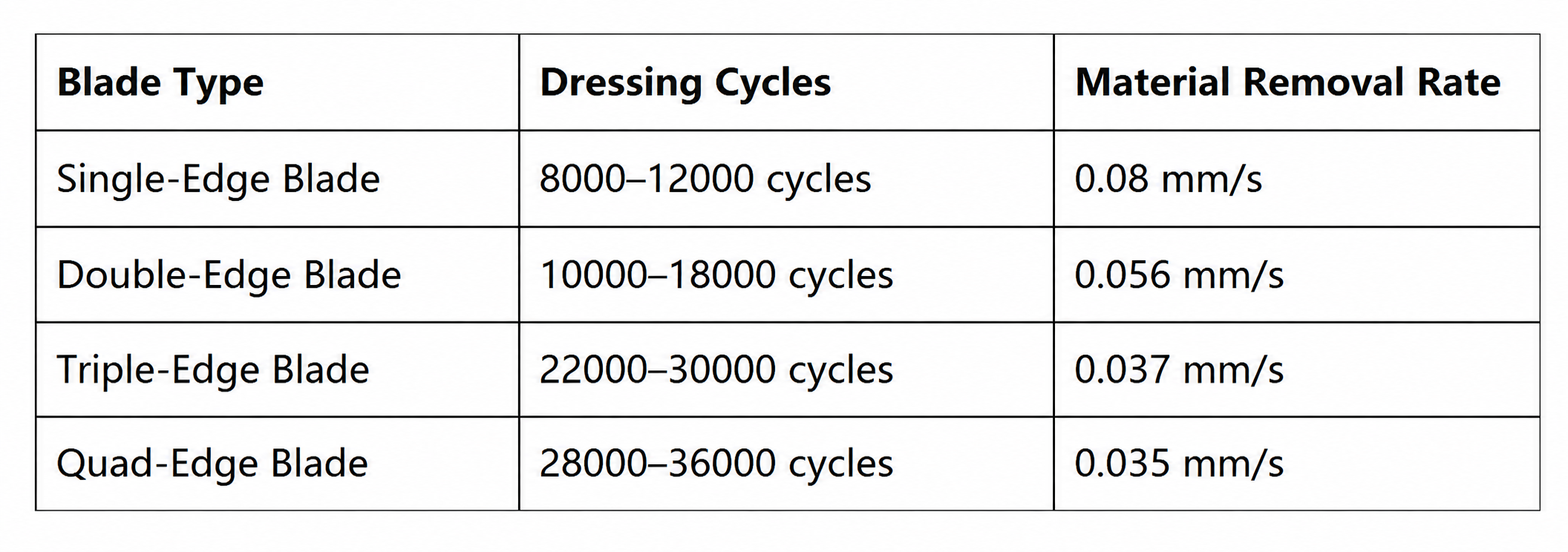
- High material removal rate (approximately 0.08 mm per dressing cycle)
- Short blade service life (only around 8,000–12,000 dressing cycles for single-edge blades)
Hongbai’s dressing blade design achieves a breakthrough by redefining the fundamental dressing principle.
1.1 Multi-Edge Structure: From Single Cutting to Multi-Stage Dressing
The core innovation of Hongbai dressing blades lies in the multi-edge structure.
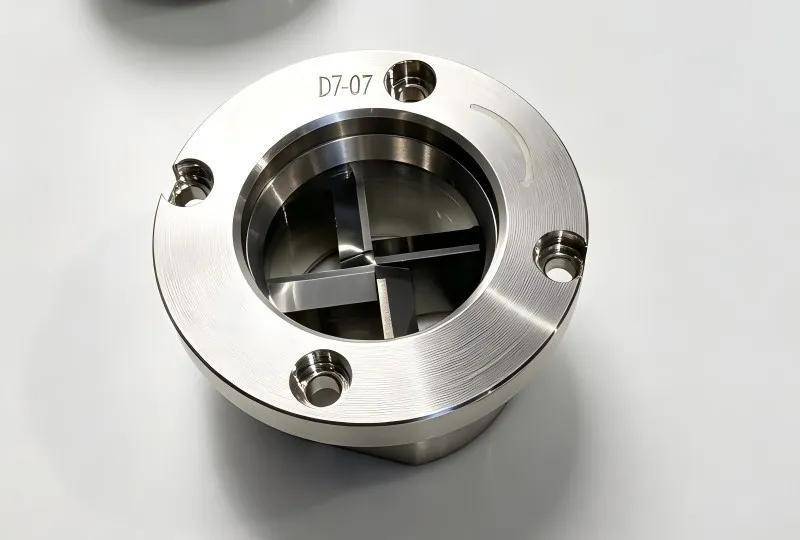
Currently, Hongbai provides four blade configurations. Taking the four-edge blade as an example, its four cutting edges are arranged at 90-degree intervals.
During the dressing process, multiple edges work simultaneously, distributing cutting forces across several contact points.
This reduces the material removal amount per dressing cycle to only 0.01–0.035 mm, bringing the process closer to precision dressing rather than conventional cutting.
The direct benefits include:
- Reduced electrode cap material consumption
- Extended electrode cap service life
- Increased welding capacity from approximately 3,000 weld spots to 6,000 weld spots per pair of electrode caps
1.2 Four-Edge Right-Angle Design: 90° Geometry and 0.01 mm Dressing Layer
Hongbai aluminum resistance spot welding tip dressers adopt a four-edge right-angle dressing cutter with outstanding technical advantages.
90° Edge Angle
The precise 90-degree geometry ensures that the dressed electrode tip surface remains perpendicular to the electrode axis, preventing uneven wear and sealing failure caused by angular deviation.
0.01 mm Precision Dressing Layer
Each dressing cycle removes only an extremely thin copper-aluminum alloy layer, maximizing electrode cap material retention and extending service life.
This design is particularly suitable for aluminum resistance spot welding applications.
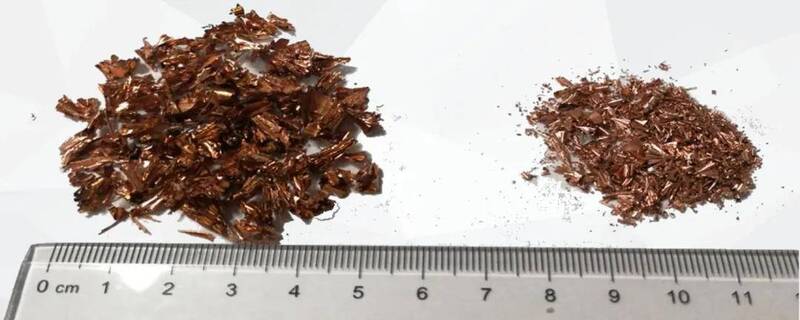
During aluminum welding, high temperatures can cause copper-aluminum alloy buildup on the electrode cap surface. If not removed effectively, it may result in:
- Welding spatter
- Electrode sticking
- Unstable weld quality
Traditional tip dressers designed for carbon steel applications usually operate at lower speeds (approximately 300–500 RPM) with larger material removal amounts (>0.2 mm), which can easily damage electrode caps.
Hongbai’s aluminum welding tip dresser utilizes a high-speed servo motor with speeds up to 3,000 RPM, combined with a four-edge precision dressing cutter.
The complete dressing process takes only 1–2 seconds, producing a smooth electrode surface similar to a mirror finish and effectively reducing spatter and electrode sticking.
1.3 Blade Material: Cemented Carbide with Tungsten Carbide Treatment
In material selection, Hongbai dressing blades are manufactured using cemented carbide materials, with tungsten carbide surface treatment applied to the cutting edges.
Tungsten carbide provides hardness exceeding HRA 90, significantly higher than conventional high-speed steel (approximately HRA 80).
This enables the blade to maintain stable dressing performance during long-term operation.
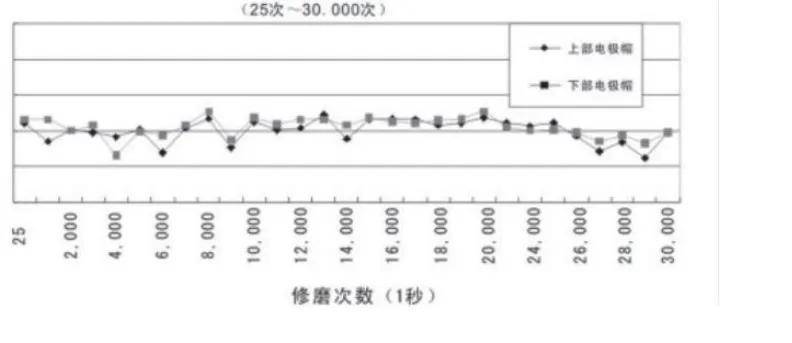
Hongbai dressing blades can achieve up to 30,000 dressing cycles, while conventional high-speed steel blades commonly used in overseas markets typically achieve around 5,000 cycles.
The difference comes from material engineering advantages:
- Cemented carbide maintains hardness under high temperatures
- High-speed steel gradually loses hardness due to heat generated during continuous dressing operations
2. Manufacturing Process: Precision Machining and Quality Control
Excellent design requires advanced manufacturing capabilities.
Hongbai dressing blades are manufactured through multiple precision machining and inspection processes.
2.1 Integrated Formation of Blade Base and Cutting Edge
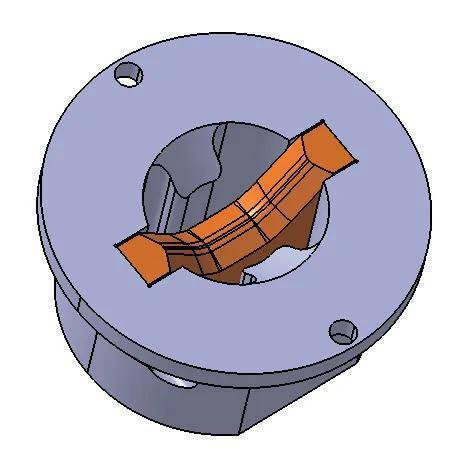
Hongbai blades adopt a thermal expansion and contraction bonding process, integrating the blade base and cutting edge into a single structure.
Advantages include:
Higher Structural Strength
The integrated structure eliminates the risk of loosening between the cutting edge and blade holder found in conventional separated designs.
Tool-Free Replacement
The complete blade can be replaced directly without screw disassembly, reducing replacement time to only a few seconds.
2.2 Anti-Breakage Blade Holder Design
Traditional blade holders often use screw fixation. After long-term operation, screws may break, causing the entire holder to become unusable.
Hongbai adopts a pin-lock blade holder design, eliminating screw breakage risks.
Meanwhile, the blade and holder use a precision clearance fit, ensuring easy installation and removal.
2.3 CNC Machining Center and 3D Inspection
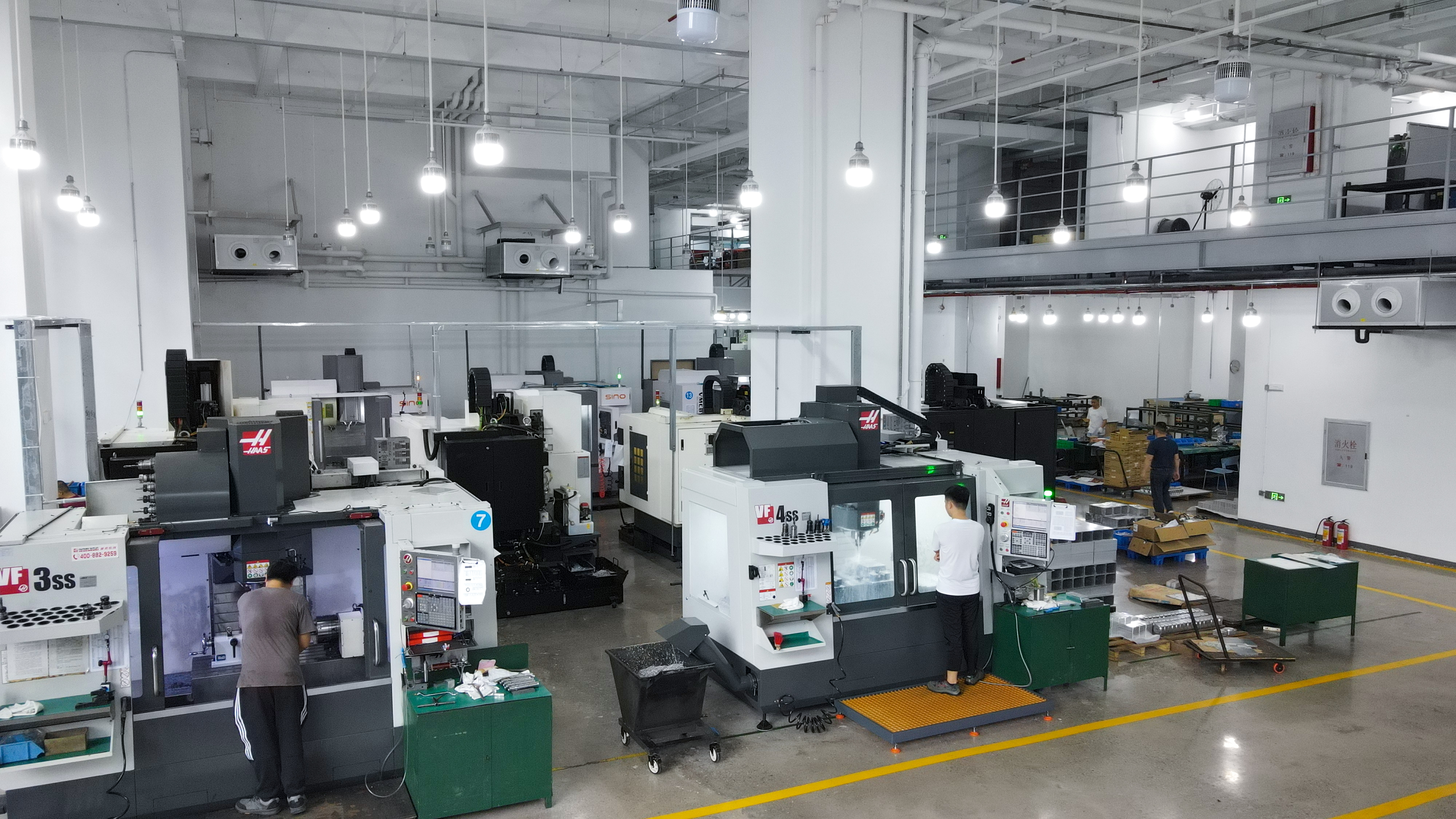
To guarantee dimensional consistency, Hongbai utilizes advanced CNC machining centers combined with laboratory-grade 3D measurement equipment for full dimensional inspection.
Critical parameters including:
- Cutting edge surface roughness
- Edge angle accuracy
- Center hole positional accuracy
are strictly controlled to ensure blade consistency and interchangeability.
Through advanced CNC machining technology and 3D inspection systems, Hongbai ensures stable tool dimensions for every delivered blade.
3. Quality Certification: SGS CE Certification and Full-Process Quality Assurance
For industrial consumables serving global automotive manufacturers, international certification is an essential requirement.
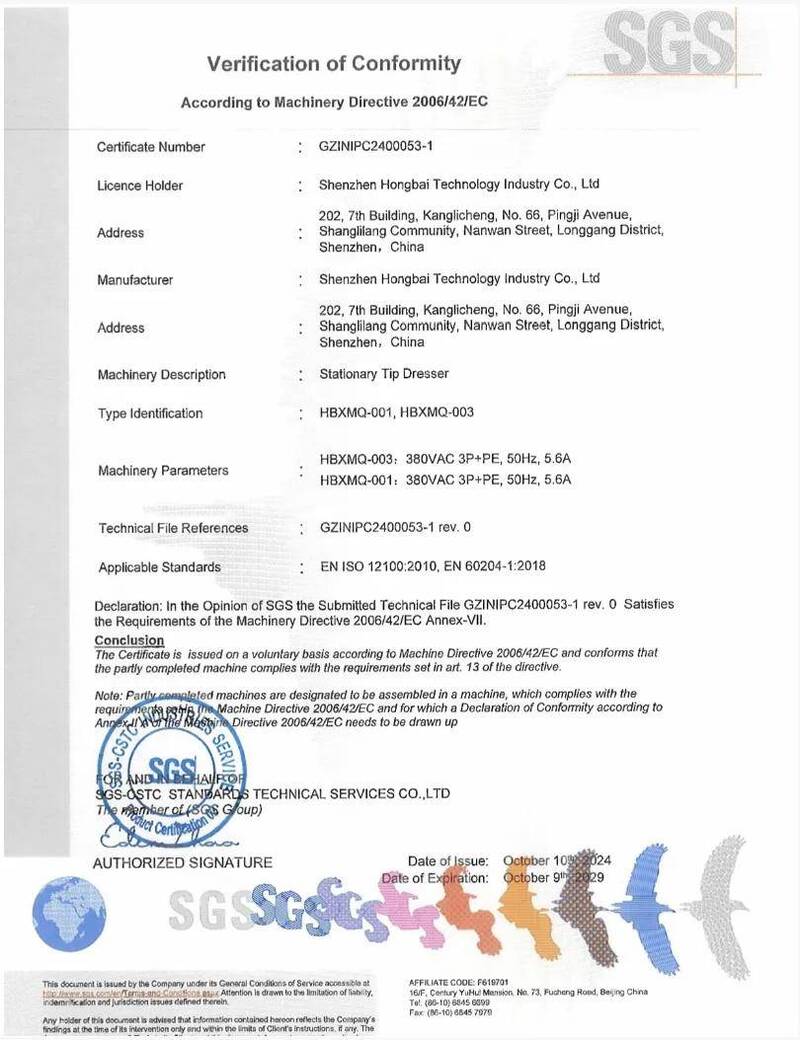
Hongbai electrode cap dressing blades and dressing equipment have passed SGS CE certification, demonstrating compliance with European safety, health, and environmental requirements.
3.1 Importance of CE Certification
CE certification is a mandatory safety certification for products entering the European market and represents internationally recognized quality standards.
As one of the world’s leading inspection, testing, and certification organizations, SGS conducts strict evaluations covering:
Machinery Safety
- Protective structures
- Emergency stop functions
- Safety distances of moving components
Electromagnetic Compatibility (EMC)
- Resistance to electromagnetic interference
- Control of electromagnetic emissions
Material Safety
- Compliance with RoHS (Restriction of Hazardous Substances) requirements
3.2 Full-Process Quality Assurance System
Hongbai’s quality control extends beyond the blade itself and covers the entire dressing system.
Blade Performance Testing
Each blade undergoes continuous dressing tests up to 30,000 cycles under laboratory conditions to verify performance stability and service life.
Blade Holder Compatibility Testing
Ensuring interchangeability with various tip dressers, welding guns, and electrode cap specifications.
Field Application Validation
Long-term verification has been conducted on mass production lines such as FAW-Volkswagen Audi A4L Body-in-White welding production lines, confirming performance under real manufacturing conditions.
4. Product Portfolio and Customized Solutions
Hongbai provides four standard blade configurations:
- Single-edge dressing blade
- Double-edge dressing blade
- Triple-edge dressing blade
- Four-edge dressing blade
These solutions support different materials including:
- Carbon steel
- High-strength steel
- Aluminum alloy
- Galvanized steel sheet
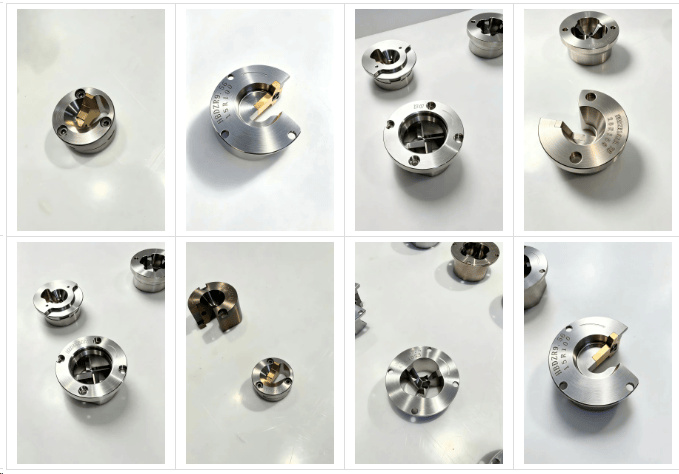
For customized electrode caps, such as different upper/lower tip geometries or angled electrodes, Hongbai provides customized blade holders and dressing solutions.
The system supports inclined dressing applications with electrode axis angles up to 15 degrees.
Conclusion
From innovative multi-edge structural design, cemented carbide and tungsten carbide material technology, precision CNC manufacturing, to SGS CE certification and comprehensive quality assurance, Hongbai has created a complete technology value chain for electrode cap dressing solutions.
It is no longer simply a “blade” used for maintenance — it represents Hongbai’s two decades of engineering expertise in welding automation and automotive manufacturing.
For automotive manufacturers pursuing higher weld quality and lower production costs, choosing Hongbai dressing blades means:
- Longer electrode cap service life
- Lower cost per weld spot
- Reliable quality based on international standards
This small but critical component represents the continuous evolution of Chinese manufacturing toward precision, efficiency, and reliability.