


In Body-in-White (BIW) production, electrode cap dressing may seem like a relatively small operation. In practice, however, it has a direct connection with electrode cap life, weld consistency, production cycle time, and maintenance cost.
Many problems on the shop floor do not start with a failure of the electrode dresser itself. They often develop gradually from the cutter: an unsuitable cutter selection, a mismatch between the cutter and dressing parameters, or continued use after the cutting edge has worn.
The result may eventually appear as an abnormal electrode face, inconsistent dressing, or changes in weld quality.
From our experience with electrode cap dressing applications, we believe that an electrode dressing cutter should not be selected based only on purchase price or theoretical tool life. The cutter, electrode cap, dressing machine, and process parameters need to work as one matched system.
This is one of the key factors we consider when developing electrode cap dressing solutions.
1. Why Does an Electrode Dressing Cutter Affect Weld Quality?
After continuous welding, the electrode cap gradually develops wear, deformation, and material buildup on its working face.
If the electrode cap is not dressed at the appropriate interval, its geometry changes. This can affect the contact area and current density during resistance spot welding.
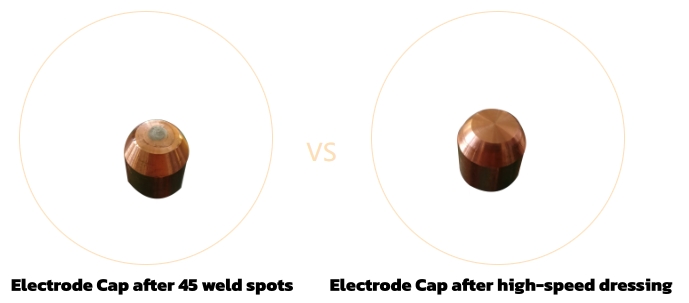
Proper electrode cap dressing restores the electrode face and removes wear, deformation, and material buildup.
The purpose of electrode cap dressing is not simply to “remove a layer” from the cap. The objective is to restore a stable:
- Electrode face diameter
- Face geometry
- Concentricity
- Surface condition
- Contact geometry
The dressing cutter is the component that directly creates this geometry.
When the cutter condition changes, the dressing result changes with it.
For example, as a cutting edge becomes dull, the actual cutting condition may change even when spindle speed, dressing pressure, and dressing time remain unchanged.
On the production line, this may appear as:
- Changes in electrode face dimensions
- Incomplete dressing
- Residual copper chips
- Abnormal dressing marks or patterns
For this reason, we consider the cutter to be a process component of the electrode dressing system, rather than simply a consumable.
2. How Should You Choose Between Single-, Double-, Triple-, and Four-Edge Cutters?
A common assumption is that more cutting edges automatically mean a better cutter.
In practice, the number of cutting edges should be matched to production volume, dressing frequency, changeover requirements, and maintenance strategy.
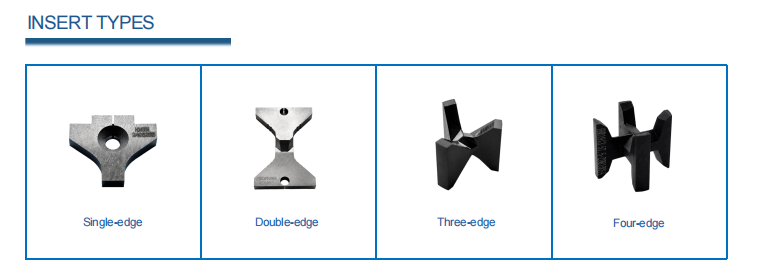
Single-, double-, triple-, and four-edge cutters are suited to different production and dressing requirements.
Single-Edge Cutter
A single-edge cutter has a relatively simple design and can be suitable for:
- Low-volume production
- Frequent product changeovers
- Manual dressing
- Rework stations
- Applications with relatively low cutter consumption
Its main advantage is straightforward handling and replacement.
For production lines with frequent electrode cap or model changes, flexibility and ease of changeover can sometimes be more important than maximizing theoretical cutter life.
Double-Edge Cutter
A double-edge cutter provides a balance between flexibility and cutter utilization.
It can be suitable for:
- Standard automated dressing
- Medium production volumes
- Mobile electrode dressers
- Pneumatic dressing equipment
For stations that do not operate continuously at high production rates, a double-edge cutter can provide a practical balance between service life and maintenance convenience.
Triple-Edge Cutter
As production volume increases, cutter replacement itself becomes part of the maintenance cost.
A triple-edge cutter can reduce replacement frequency and is more suitable for continuous production and automated dressing applications.
For stations performing a high number of electrode cap dressing cycles each day, a triple-edge design can offer greater practical utilization than a single-edge cutter.
Four-Edge Cutter
Four-edge cutters are generally more suitable for high-cycle, continuously operating automated production lines.
Their main advantage is not simply that they are “more advanced.” The additional usable cutting edges can reduce cutter replacement frequency and associated downtime.
Therefore, when we select an electrode dressing cutter, we do not simply follow the principle of “more edges are better.”
We consider dressing cycles, production rate, cutter consumption, and maintenance requirements together.
3. Cutter Material Can Be More Important Than the Number of Cutting Edges
Cutter life is not determined by the number of cutting edges alone.
Electrode caps are typically manufactured from copper alloys, and differences in material hardness, microstructure, and machining condition can affect the cutting load.
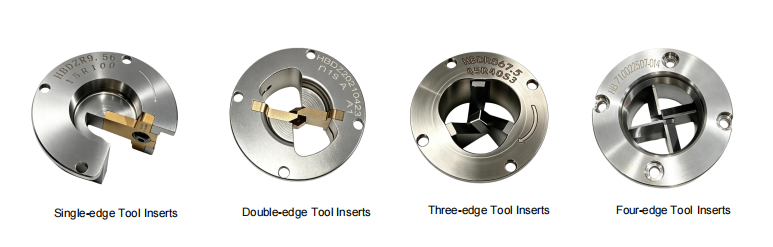
Cutter material, cutting edge condition, and coating all influence dressing stability and cutter wear.
In actual dressing applications, we pay particular attention to three factors.
3.1 Wear Resistance
The cutting edge needs to maintain stable geometry during repeated dressing cycles.
If the cutter wears prematurely, the dimensions of the dressed electrode face can gradually move away from the target condition.
3.2 Resistance to Material Adhesion
Copper materials can produce material adhesion during machining.
If chip evacuation and cutter surface conditions are not properly controlled, copper chips may accumulate around the cutting edge and affect the cutting process.
A carbide substrate combined with an appropriate surface coating can help improve wear resistance and cutting stability.
3.3 Compatibility with Dressing Parameters
Even a high-performance cutter can wear rapidly if the dressing speed, dressing pressure, or material removal per cycle is not properly matched to the application.
This leads to an important point:
An electrode dressing cutter should never be evaluated independently from the dressing process.
The cutter and process parameters need to be considered together.
4. The Dressing Machine and Cutter Should Be Selected as a System
A common assumption on the shop floor is:
“The cutter looks like the same size, so it should work.”
In practice, an electrode dressing cutter is not always an independent standard component.
Different electrode dressers may have different:
- Cutter holder designs
- Spindle configurations
- Dressing mechanisms
- Electrode cap positioning systems
- Installation interfaces
For example:
| Dressing Equipment | Typical Cutter Selection | Typical Application |
|---|---|---|
| Stationary electrode dresser | Double / Triple / Four-edge | Automated dressing stations |
| Mobile electrode dresser | Double / Triple-edge | Production and maintenance |
| Electric swing-arm dresser | Triple / Four-edge | High-cycle automated production |
| Pneumatic swing-arm dresser | Double / Triple-edge | Medium-cycle production |
| Automatic cap dressing & replacement system | Triple / Four-edge | Automated dressing and cap replacement |
| Handheld pneumatic dresser | Single / Double-edge | Manual dressing and rework |
| Projection welding dresser | Dedicated cutter / grinding tool | Projection electrode dressing |
Therefore, before selecting a cutter, we normally confirm the following sequence:
Dressing machine → Cutter holder → Electrode cap specification → Dressing parameters → Production rate
This sequence is generally more reliable than selecting a cutter based only on its model or appearance.
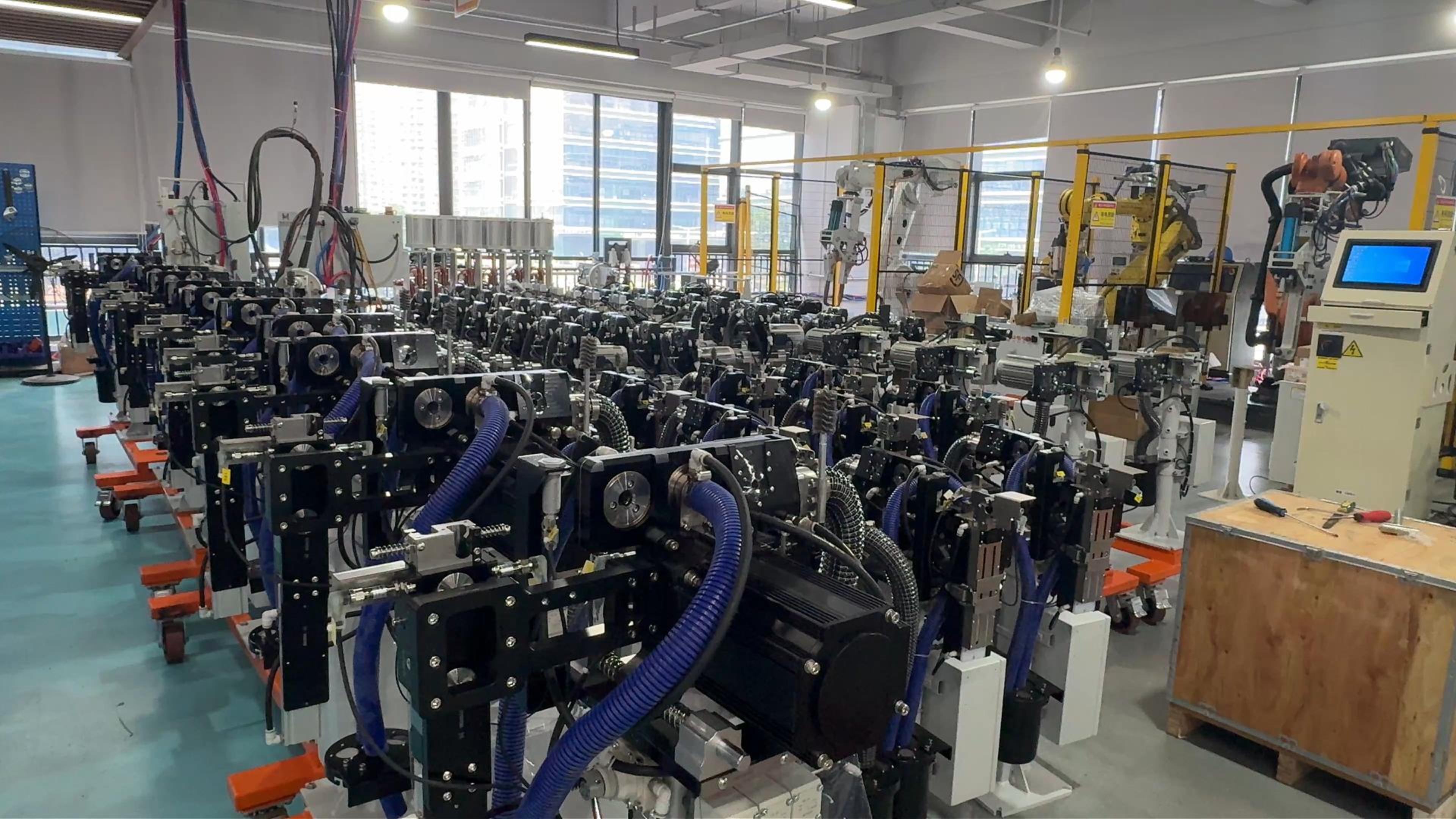
The dressing cutter should be matched with the dresser configuration and electrode cap specification.
5. When Should an Electrode Dressing Cutter Be Replaced?
This is one of the most frequently overlooked aspects of cutter life management.
Many production lines determine cutter replacement simply by counting how many times a cutter has been used.
However, the actual service life of the same cutter can vary significantly under different operating conditions.
Factors affecting cutter life include:
- Electrode cap material
- Electrode cap diameter and face geometry
- Material removal per dressing cycle
- Dressing frequency
- Dressing pressure
- Spindle speed
- Cutter material and coating
- Cutter installation condition
- Copper chip evacuation
- Mechanical condition of the dressing machine
For this reason, we do not recommend treating one fixed number of dressing cycles as a universal “standard cutter life.”
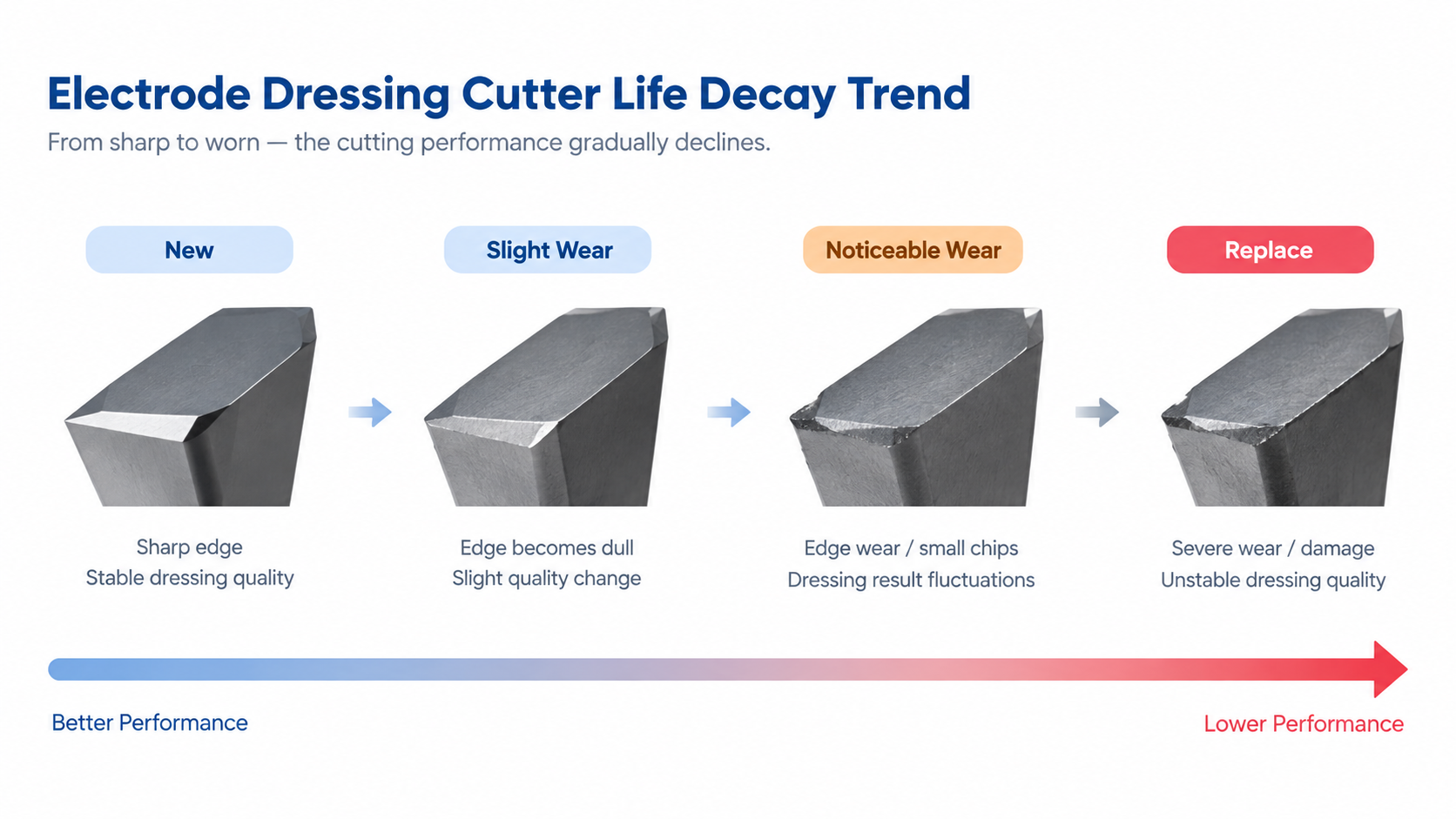
Effective cutter life management combines usage count with actual dressing results.
6. These Signs Indicate That the Cutter Should Be Inspected
01 | Abnormal Electrode Face After Dressing
Typical signs may include:
- Black marks
- Protrusions
- Radial marks
- Plum-pattern marks
- Incomplete dressing
- Uneven dressing
If these defects continue to appear while the machine parameters remain unchanged, the cutter condition should be checked.
02 | Dressing Results Change Under the Same Parameters
For example, the original dressing parameters may have consistently produced the target electrode face.
After extended use, however, the electrode face dimensions may begin to change.
Simply increasing dressing time is not always the right response.
The first questions should be:
Has the cutter worn? Is the cutter holder loose? Is there mechanical runout or vibration in the dressing machine?
03 | Visible Cutting Edge Damage or Dulling
This is one of the most direct replacement signals.
On automated production lines in particular, continuing to operate with a chipped or locally damaged cutting edge can result in recurring abnormalities on the dressed electrode face.
04 | Changes in Weld Condition
Dressing problems can ultimately appear in the welding process.
If the welding parameters have not changed significantly but the following conditions begin to occur:
- Increased spatter
- Changes in weld appearance
- Abnormal indentation
- Reduced weld consistency
the condition of the electrode face and dressing cutter should be included in the troubleshooting process.
7. Do Not Only Record Cutter Replacement Time—Build Cutter Life Data
For highly automated body shops, we recommend establishing a basic cutter usage record.
For example:
| Item | Record |
|---|---|
| Cutter ID | Specific cutter identification |
| Station | Dressing machine and station |
| Cutter Type | Single / Double / Triple / Four-edge |
| Installation Date | Date first installed |
| Dressing Count | Accumulated dressing cycles |
| Dressing Parameters | Speed, pressure, material removal, etc. |
| Defect Record | Electrode face abnormalities |
| Replacement Date | Actual replacement date |
| Replacement Reason | Wear / damage / defect / other |
After sufficient data has been accumulated, the production team can establish its own cutter life profile.
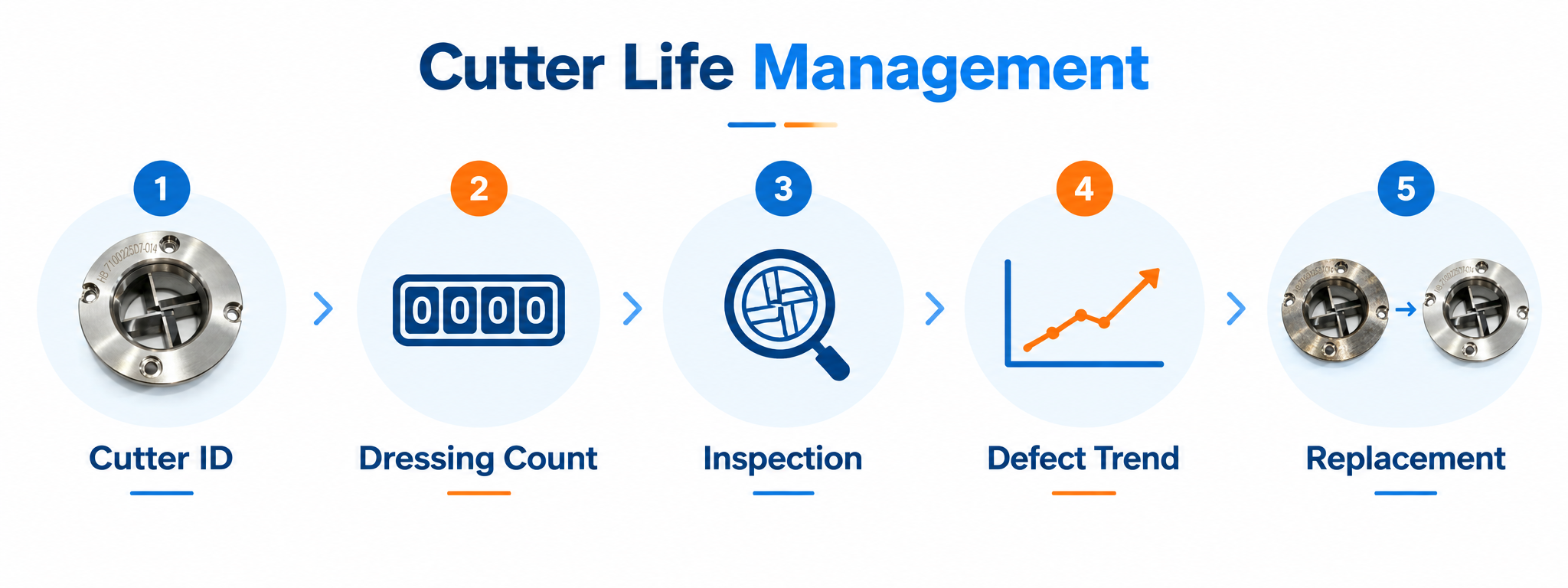
Electrode Dressing Cutter Life Management Workflow
For example, if a particular station has historically begun showing electrode face abnormalities after approximately 5,000 dressing cycles, the team can schedule an inspection before reaching that point instead of waiting until weld quality is affected.
This is more reliable than relying entirely on operator experience.
Tracking cutter usage together with dressing results provides a practical way to manage cutter life.
8. AI Vision Inspection Can Turn Cutter Life Management from Experience-Based Judgment into Result-Based Management
The real challenge in cutter life management is not simply determining whether the cutter “looks usable.”
The more important question is:
Can the cutter still consistently produce an electrode face that meets the required quality criteria?
This is one of the considerations behind the development of our AI vision electrode cap dressing inspection system.
Traditional inspection often relies on operators visually checking the electrode face. This approach can be affected by operator experience, lighting conditions, and differences in individual judgment.
AI vision inspection can instead analyze the dressed electrode face directly.
Our inspection models cover multiple typical electrode face abnormalities, including:
- Black marks
- Protrusions
- Copper pickup
- Pits
- Radial marks
- Out-of-round faces
- Electrode face eccentricity
- Oversized faces
- Undersized faces
- Incomplete dressing
- Uneven dressing
- Plum-pattern marks
There is an important distinction here:
AI vision inspection is not simply taking a picture and deciding OK or NG.
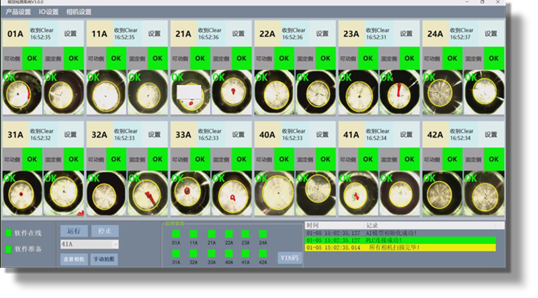
AI vision inspection analyzes the electrode face after dressing to identify defects and monitor dressing quality.
We use multiple criteria, including defect area and defect ratio, for comprehensive evaluation. Inspection thresholds can also be adjusted according to the quality requirements of different production lines.
The value is that when a particular defect begins to appear repeatedly, it can be correlated with cutter usage, dressing parameters, and other process data.
The result is a more complete management loop:
Cutter Usage → Dressing Result → AI Inspection → Defect Trend → Cutter Replacement Decision
This is where AI inspection can become part of a practical cutter life management strategy.
9. Our Recommended Four-Step Approach to Cutter Selection
When selecting an electrode dressing cutter for a production line, we recommend starting with four basic steps.
Step 1: Confirm the Dressing Machine
First identify the dresser type, cutter holder design, and cutter mounting interface.
Step 2: Confirm the Electrode Cap
Confirm the:
- Cap specification
- Material
- Electrode face diameter
- Face geometry
- Dressing requirements
For special electrode cap geometries, a customized cutter may be required.
Step 3: Confirm Production Rate
For high-cycle continuous production, cutter utilization and replacement frequency become increasingly important.
For low-volume, high-mix production, changeover convenience and maintenance cost may have greater importance.
Step 4: Validate with Actual Dressing Results
Do not make the final selection based only on cutter specifications.
Actual dressing trials should be used to evaluate:
Electrode face dimensional stability, dressing completeness, copper chip adhesion, cutter wear pattern, and dressing consistency over extended use.
This step becomes particularly important for special electrode caps and non-standard applications.
10. How Should the Real Cost of a Cutter Be Calculated?
If we only look at the purchase price, an electrode dressing cutter may appear to be a relatively low-cost consumable.
For an automotive body shop, however, the actual cost can include:
Cutter purchase cost + Replacement labor + Equipment downtime + Electrode cap consumption + Welding quality risk + Rework cost
For this reason, when evaluating a dressing solution, we pay more attention to the total cost per qualified dressing cycle.
For example, a cutter with a higher purchase price but more stable service life may reduce replacement frequency while maintaining more consistent electrode face geometry.
Its actual operating cost may therefore be lower.
Conversely, a low-cost cutter that wears quickly or produces unstable dressing results can create higher hidden costs during production.
This is why cutter selection should not be based simply on “price per cutter.”
11. From One Cutter to a Complete Electrode Dressing Management System
Electrode cap dressing may look simple, but it involves multiple interacting variables.
The cutter is only one part of the process. It connects:
Cutter → Dressing Machine → Electrode Cap → Dressing Parameters → Electrode Face Condition → Weld Quality
Managing only cutter purchasing is not enough to achieve consistent dressing performance or lower long-term cost.
We recommend gradually establishing a complete dressing management process:
Standardized Cutter Selection
↓
Standardized Dressing Parameters
↓
Cutter Life Tracking
↓
Electrode Face Inspection
↓
Defect Trend Analysis
↓
Preventive Maintenance & Cutter Replacement
For highly automated automotive body shops, AI vision inspection can be combined with equipment and process data to create a more complete approach to electrode dressing quality monitoring and traceability.
Beyond Cutter Cycle Life
There is no universal answer to how long an electrode dressing cutter should last.
A cutter that performs well on one production line may not be the right choice for another. Electrode cap material, face geometry, dressing depth, machine configuration, dressing frequency, and production conditions all affect the result.
That is why cutter life should not be judged by cycle count alone.
What matters is what happens on the electrode face.
If the dressed surface remains consistent and the cutter continues to produce the required geometry, the cutter is doing its job. When copper pickup, uneven dressing, eccentricity, or incomplete dressing starts to appear, the dressing process needs to be looked at rather than simply increasing the cutter replacement frequency.
In practice, good cutter selection comes from matching the cutter, cutter holder, electrode cap, dressing machine, and process parameters to the actual application.
If you are currently dealing with short cutter life, unstable dressing results, excessive copper pickup, or difficulty finding a suitable cutter for a particular electrode cap, send us your dresser model, electrode cap specification, and a few dressing samples or photos.
Sometimes the problem is the cutter. Sometimes it is the dressing setup. And sometimes the two simply are not well matched.
Related Solutions
- AI Vision Electrode Cap Dressing Inspection System
- Automatic Electrode Cap Dressing & Replacement System
- Electric and Pneumatic Swing-Arm Electrode Dressers
- Stationary and Mobile Electrode Cap Dressing Machines
- Customized Electrode Dressing Cutters and Cutter Holders
Discuss Your Application with Hongbai
If you are working on an automotive welding or BIW application and need to evaluate an electrode dressing cutter, dressing machine, or cutter life issue, you can contact our team with your current application details.
For more practical content on electrode cap dressing, welding automation, AI vision inspection, and automotive welding, follow Hongbai on LinkedIn.