 2026-08-19
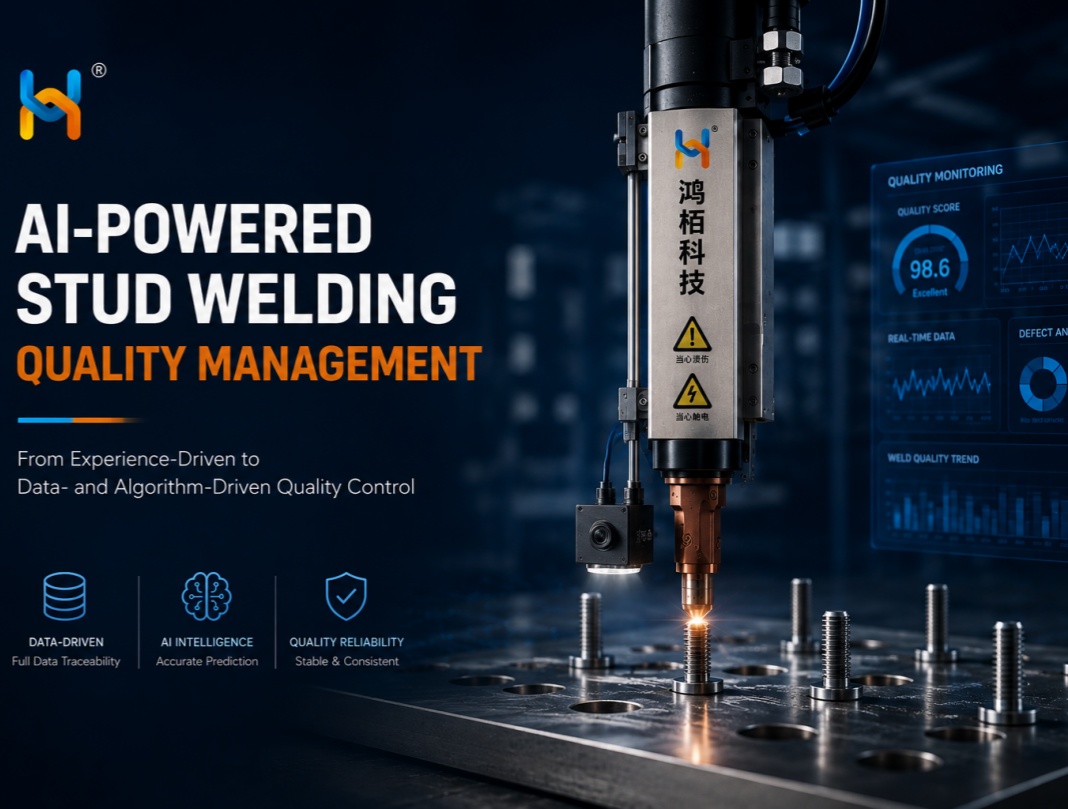
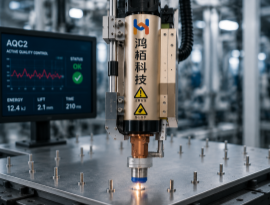
In July 2026, at the AMTS Shanghai International Automotive Manufacturing Technology & Material Show, Hongbai Technology made the global debut of its fully self-developed AI foundation-model-powered stud welding quality inspection system. It is also the world’s first quality management system integrating an AI foundation model specifically for stud welding applications. As AI foundation models rapidly transform industries worldwide, Hongbai Technology is bringing this transformation to the welding industry. After six generations of welding technology evolution, the company has consistently focused on the integration of data, algorithms, and real-world industrial scenarios, while addressing four fundamental challenges in industrial AI. Through the dual revolution of “Welding + AI,” Hongbai Technology is pioneering a new paradigm for stud welding quality management—moving from experience-driven quality control to data- and algorithm-driven intelligence. 1. Industry Challenges: Four Limitations of Traditional Quality Inspection 1.1 Fragmented and Heterogeneous Data In high-volume stud welding production, traditional quality management faces a series of systemic challenges. Fragmented and heterogeneous data: Quality records are often scattered across paper documents, PowerPoint files, Excel spreadsheets, welding equipment, and other systems, making data integration time-consuming and inefficient. 1.2 Slow Problem Detection and Response Quality issues may take up to four hours to be detected under periodic inspection. Once identified, the escalation and feedback process may require another 1–2 hours, while problem resolution can take up to 3.5 hours. In addition, compiling daily quality inspection reports can consume approximately 2.25 hours of labor every day. For high-volume automotive production, such delays increase the risk of quality issues escaping downstream and can lead to additional rework and production costs. 1.3 Manufacturing Knowledge Is Difficult to Capture and Reuse Root cause identification and corrective action often depend heavily on the experience of individual engineers and technicians. When critical welding knowledge remains primarily within individual experts, it becomes difficult…
 2026-08-11
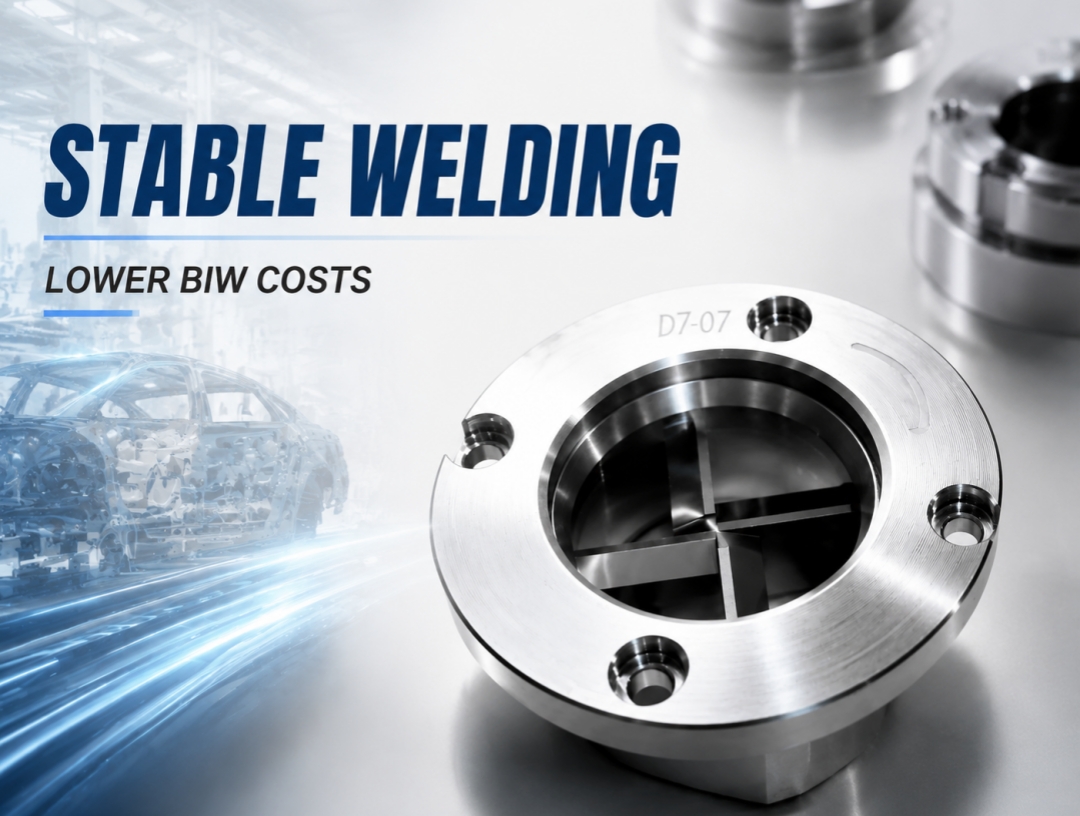
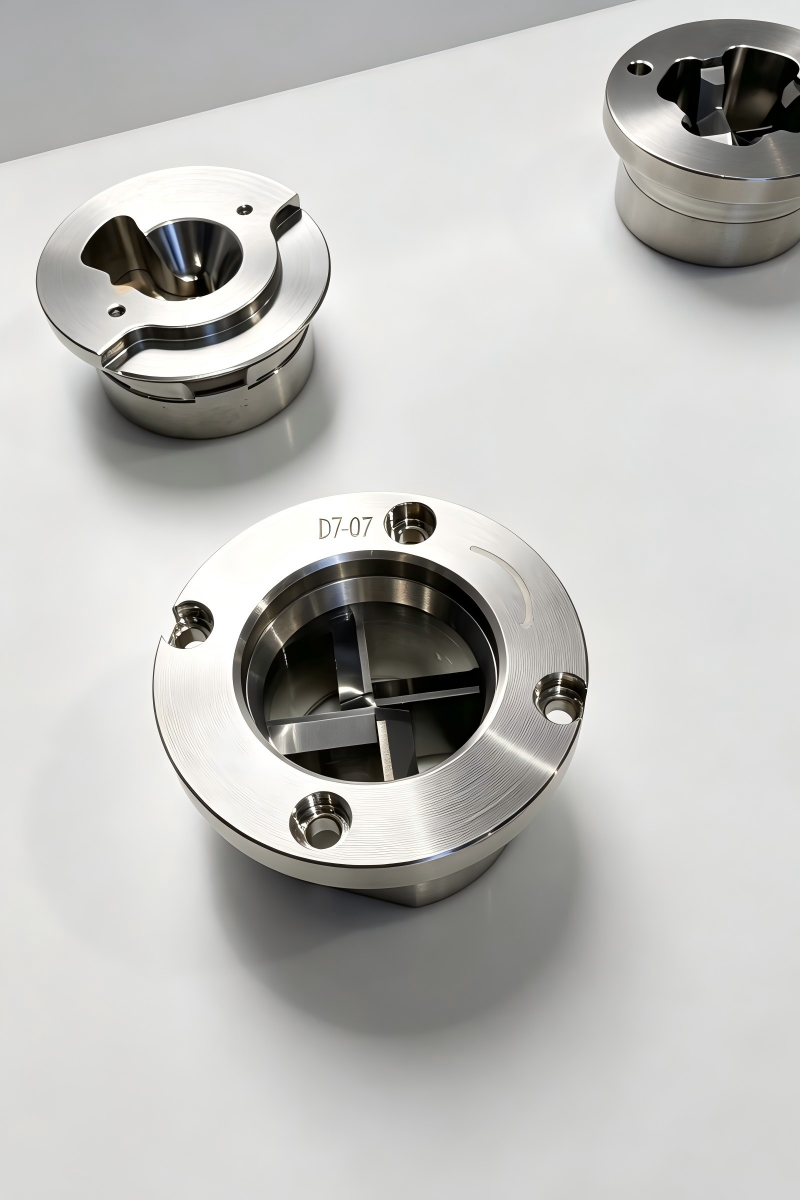
In the demanding environment of automotive Body-in-White (BIW) welding, electrode cap dressing blades may appear small, but they play a critical role in determining weld spot quality, electrode cap service life, and overall production cost. Behind a seemingly simple blade lies a complete chain of engineering expertise, including material science, precision manufacturing, and strict quality management. With decades of experience in welding equipment development, Shenzhen Hongbai Technology Co., Ltd. has successfully transformed its independently developed electrode cap dressing blades from ordinary consumable components into precision-engineered products integrating advanced structural design, high-accuracy manufacturing processes, and international certification standards. 1. Design Philosophy: A Fundamental Shift from “Cutting” to “Dressing” Traditional electrode cap dressing is essentially a cutting process, where sharp cutting edges forcibly remove the copper-aluminum alloy layer accumulated on the electrode cap surface. Although this method is straightforward, it has two major limitations: High material removal rate (approximately 0.08 mm per dressing cycle) Short blade service life (only around 8,000–12,000 dressing cycles for single-edge blades) Hongbai’s dressing blade design achieves a breakthrough by redefining the fundamental dressing principle. 1.1 Multi-Edge Structure: From Single Cutting to Multi-Stage Dressing The core innovation of Hongbai dressing blades lies in the multi-edge structure. Currently, Hongbai provides four blade configurations. Taking the four-edge blade as an example, its four cutting edges are arranged at 90-degree intervals. During the dressing process, multiple edges work simultaneously, distributing cutting forces across several contact points. This reduces the material removal amount per dressing cycle to only 0.01–0.035 mm, bringing the process closer to precision dressing rather than conventional cutting. The direct benefits include: Reduced electrode cap material consumption Extended electrode cap service life Increased welding capacity from approximately 3,000 weld spots to 6,000 weld spots per pair of electrode caps 1.2 Four-Edge Right-Angle Design: 90° Geometry and 0.01 mm Dressing…
 2026-08-10
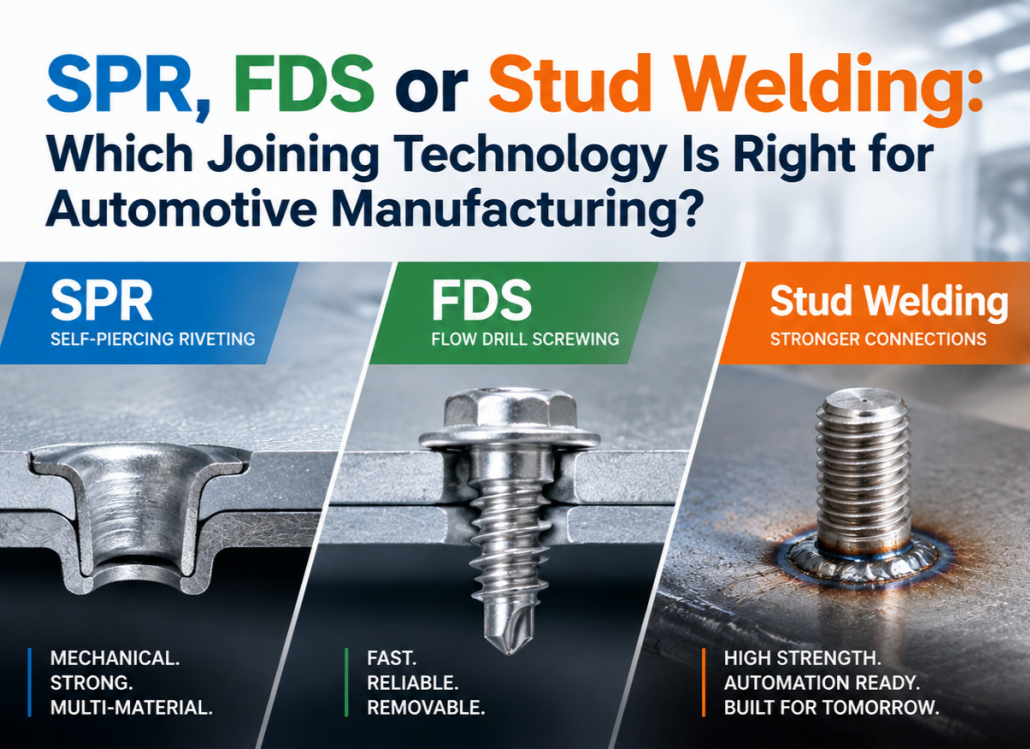
Introduction: The Evolution of Joining Technology in Modern Manufacturing For decades, resistance spot welding and traditional welding processes have been widely used in automotive manufacturing and industrial production. However, the rapid development of electric vehicles (EVs), lightweight structures, and multi-material applications has created new challenges for joining technologies. Modern manufacturing is no longer limited to single-material structures. Increasingly, manufacturers are working with combinations of: High-strength steel (AHSS) Aluminum alloys Galvanized steel Composite materials Multi-layer structures These materials provide significant advantages in weight reduction, energy efficiency, and product performance. However, they also introduce new challenges, including: Material compatibility issues Welding deformation Porosity and cracking risks Difficult access in complex structures Higher requirements for automation and quality monitoring For example, aluminum alloys have high thermal conductivity and a stable oxide layer on the surface, making traditional fusion welding more challenging. Problems such as unstable arc initiation, heat distortion, and welding defects can affect connection reliability. In addition, joining dissimilar materials such as steel and aluminum remains difficult due to differences in melting temperature, thermal expansion, and metallurgical properties. As a result, advanced joining technologies such as Stud Welding, SPR (Self-Piercing Riveting), and FDS (Flow Drill Screwing) have become increasingly important solutions for modern manufacturing. These technologies are not replacements for each other. Instead, each technology provides unique advantages for different material combinations, structural designs, and application requirements. 1. Stud Welding: A Reliable Solution for Functional Fastening Stud welding is a process that permanently joins a metal stud to a workpiece through an arc welding process. During welding, an arc is generated between the stud and the base material. After the contact surface melts, pressure is applied to complete the weld, creating a strong metallurgical connection. Unlike traditional welding methods that mainly join metal components together, stud welding creates an integrated fastening point…
 2026-08-06
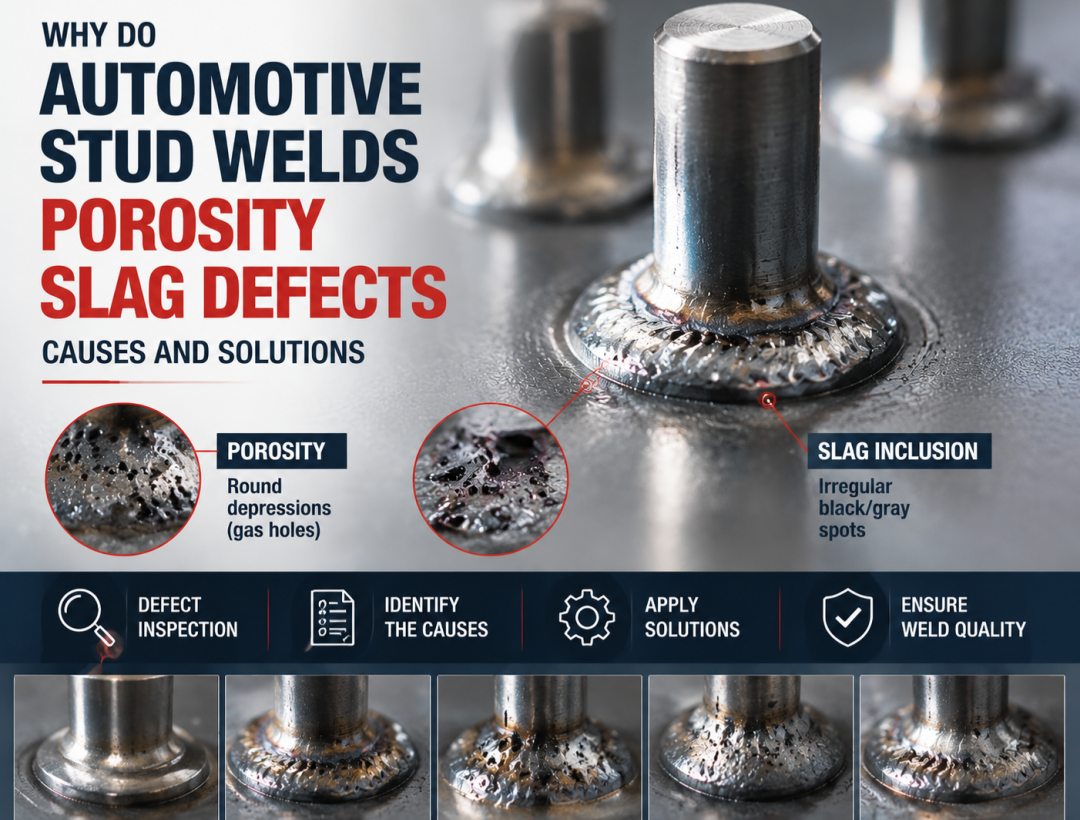
Introduction In automotive Body-in-White (BIW), automotive components, and new energy vehicle structural manufacturing, stud welding is widely used for applications such as cable harness fixing, heat shield installation, interior component mounting, and structural part assembly. However, in actual production, issues such as poor weld integrity, porosity, slag inclusion, and incomplete fusion remain key factors affecting stud welding quality stability. In severe cases, these defects can reduce stud strength and even cause stud detachment, affecting downstream assembly processes and product reliability. Based on stud welding principles and practical industrial applications, this article systematically analyzes the formation mechanisms, major causes, and engineering solutions for porosity and slag inclusion defects. 1. Formation Mechanism of Porosity and Slag Inclusion 1.1 Porosity Formation Mechanism: During the stud welding process, the high-temperature arc rapidly melts the welding area and forms a weld pool. If gases (such as H₂, CO, and N₂) inside the weld pool cannot escape before the molten metal solidifies, they will remain trapped inside the weld and form porosity. Porosity is mainly classified into: Surface porosity Internal porosity Among them, internal porosity is more difficult to detect and can reduce the effective strength of the welded joint. 1.2 Slag Inclusion Formation Mechanism: Slag inclusion refers to non-metallic impurities generated during the welding process that fail to escape in time and remain trapped inside the weld after solidification, forming defects. The main sources include: Oxides on the base material surface Oil contamination and foreign materials Coating residues Oxidation products generated during the welding process Slag inclusion reduces the effective bonding area of the weld and creates stress concentration areas, affecting weld joint reliability. 2. Six Root Causes of Porosity and Slag Inclusion 2.1 Workpiece Surface Contamination — The Most Common Cause Insufficient cleaning before welding is the primary cause of porosity and slag inclusion….
 2026-07-21
Although defects such as weld nugget deviation and cold welds/incomplete fusion cannot be completely eliminated, their occurrence can be reduced to an extremely low level through systematic process control, real-time quality monitoring, and regular equipment maintenance. The following solutions focus on two critical defect areas — weld nugget deviation and cold welding/incomplete fusion — combining proven process optimization methods with advanced intelligent welding technologies. 1. Precise Control of Weld Nugget Deviation Weld nugget deviation is mainly caused by arc blow (magnetic arc deflection) and uneven heat dissipation conditions. 1.1 Eliminating Arc Blow — Prevention at the Source Symmetrical grounding (core measure) The ground connections should be positioned symmetrically on both sides of the welding location. This prevents uneven electromagnetic fields from deflecting the arc and is the most effective method for eliminating arc blow. Remove or ground nearby metal masses If large metal components, reinforcement plates, or conductive structures are located close to one side of the weld area, they should be removed or properly grounded to avoid magnetic field interference. Rotate the welding torch For manual stud welding, if arc deflection occurs toward one direction, rotating the torch handle by 90° can change the magnetic field distribution and improve arc stability. Control lift height Excessive lift height or missing ceramic ferrules can increase arc instability. Recommended lift height: General range: 1.0–1.6 mm Always use ceramic ferrules whenever possible to stabilize the arc. Figure: Symmetrical Grounding Configuration for Arc Blow Prevention Proper grounding layout plays a critical role in stabilizing the welding arc. Symmetrical grounding reduces magnetic field imbalance and prevents arc deflection, helping maintain consistent weld nugget positioning. 1.2 Optimizing Heat Distribution for Different Materials and Thicknesses Apply high-energy welding parameters Using a high current and short welding time (strong welding schedule) increases current density and reduces the influence…
 2026-07-16
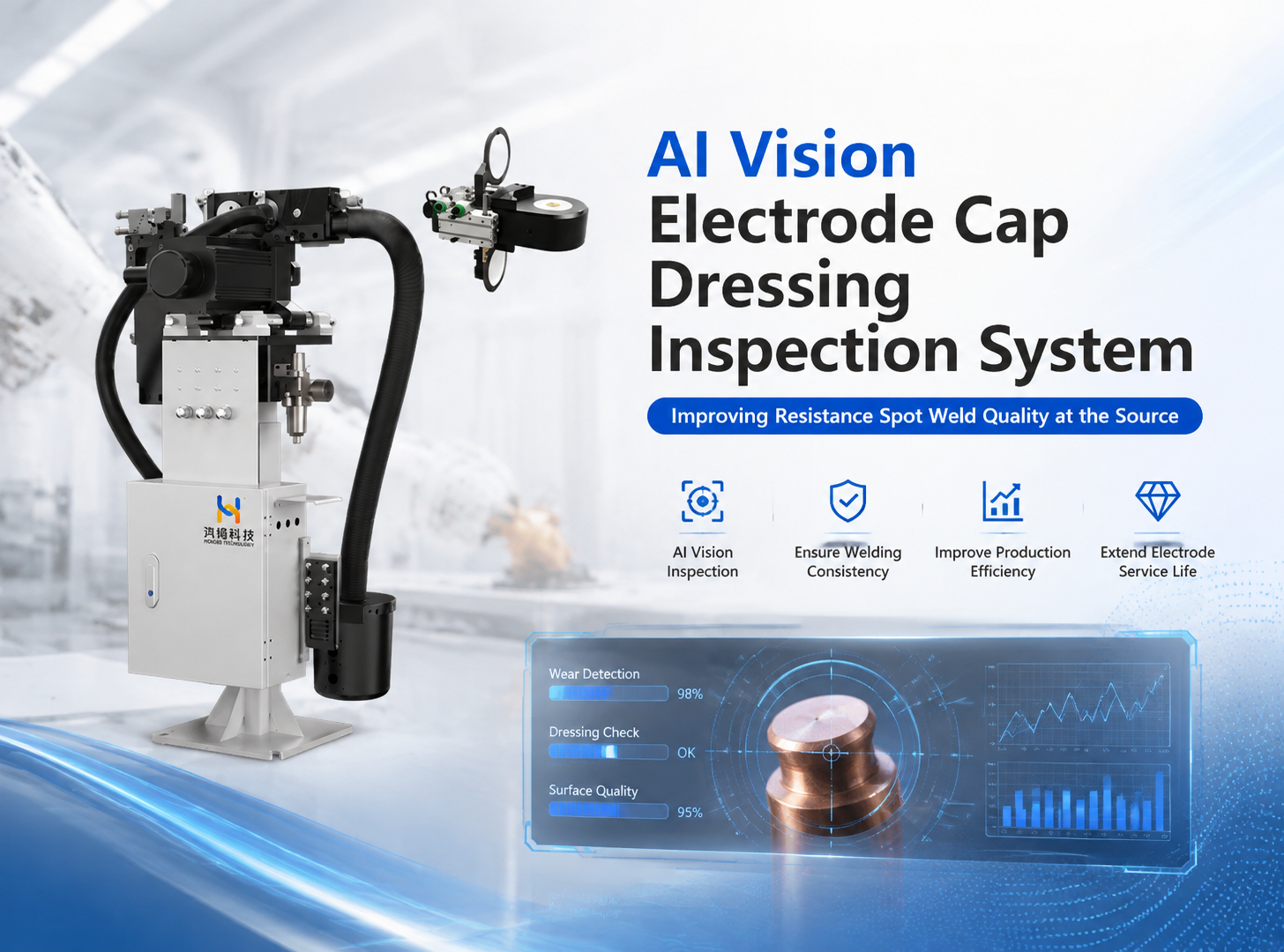
In automotive Body-in-White (BIW) production, resistance spot weld quality has a direct impact on vehicle structural integrity, safety, and durability. When investigating weld defects, manufacturers often focus on welding current, electrode force, and weld time. However, one critical factor affecting weld consistency is frequently overlooked—the condition of the electrode cap. Field experience has shown that inconsistent electrode cap dressing quality is one of the major causes of expulsion, undersized weld nuggets, weak welds, and poor weld consistency. As smart manufacturing continues to evolve, traditional maintenance methods based on manual inspection or fixed dressing intervals can no longer meet the requirements of high-speed automated production. AI-powered machine vision is rapidly becoming a new standard for resistance spot welding quality control. Why Is Electrode Cap Dressing So Important? The electrode cap directly influences current distribution and the electrical contact condition during resistance spot welding. After dressing, defects such as: • Off-center electrode face • Out-of-round electrode face • Copper pickup • Pits or raised surfaces • Incomplete or uneven dressing may result in: • Uneven current density • Inconsistent weld nugget size • Increased weld expulsion • Reduced weld strength • Shortened electrode life Therefore, electrode cap dressing quality affects not only electrode service life, but also the stability and consistency of every weld. Challenges with Conventional Electrode Dressing Many welding lines still rely on traditional electrode maintenance methods, including: • Dressing after a fixed number of welds • Manual visual inspection • Scheduled electrode cap replacement These methods present several limitations: • Inspection results depend heavily on operator experience. • Small surface defects are difficult to detect. • Premature dressing increases consumable costs, while delayed dressing compromises weld quality. • Lack of digital records makes root cause analysis and quality traceability difficult. For today’s high-volume automated welding lines, these approaches are…
 2026-06-25
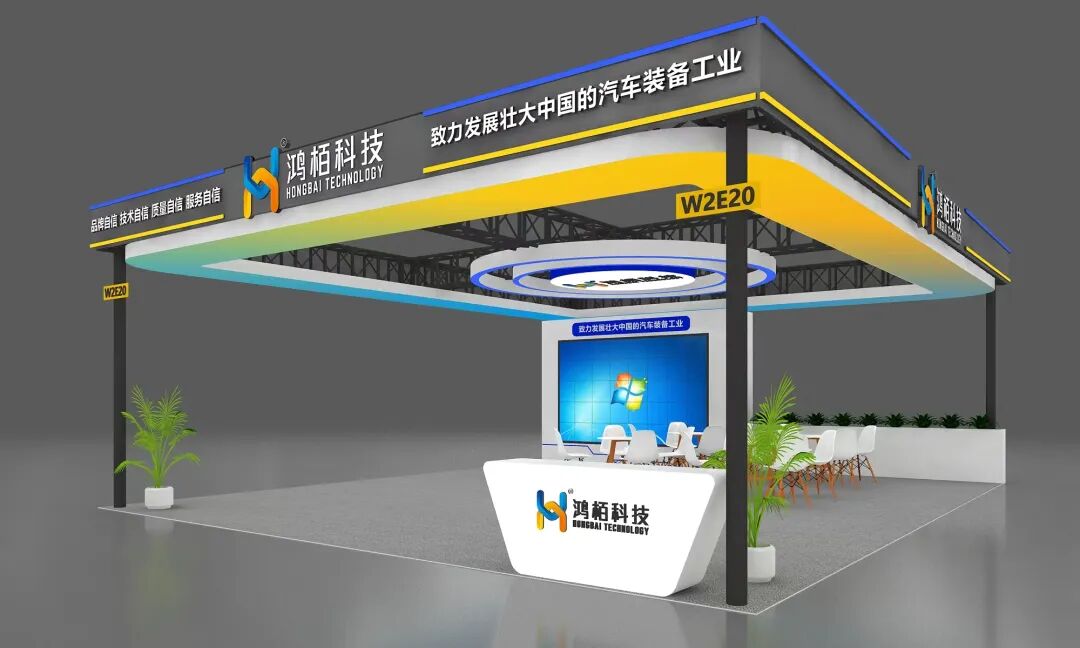
Date: July 8–10, 2026 Location: Shanghai New International Expo Centre Booth: W2‑E20 At AMTS 2026, Hongbai Technology demonstrates how closed‑loop welding solutions are transforming automotive manufacturing. From robotic stud welding to AI‑powered tip dressing, our 20 years of expertise come alive at Booth W2‑E20. We don’t just build machines — we build data‑driven quality assurance for every weld. Robotic Stud Welding: HEAS 5th‑Generation The HEAS robotic stud welding system is engineered for today’s toughest materials: aluminum car bodies, high‑strength steel, and ultra‑thin sheet metal. 0.34 ms current rise time ensures precise heat control 1 TB of full‑process data analyzed by our AI welding quality system One machine handles AC/DC for both steel and aluminum 4G/5G remote diagnostics and group control enabled One of the show’s biggest highlights: Hongbai Technology’s upgraded spot welding gun, paired with the HBXMQ‑003‑AOI dressing & changing unit featuring an AI vision inspection module, is deeply integrated with servo weld guns and FANUC robots to form a complete “Dressing – Inspection – Changing – Welding” closed‑loop workstation. Fits C‑type and X‑type welding guns 0.01 mm AI vision detects 11 electrode cap defects automatically Servo‑driven dress‑and‑change cycle in only 6 seconds Live demo: Watch dynamic tip dressing, real‑time visual inspection, and automated cap change Tip Dressing Machines for Every Production Line Hongbai offers a full range of tip dressers — from manual to fully automatic. Model Best for HBXMQ‑005 Handheld pneumatic, confined spaces HBXMQ‑001 Fixed motor‑driven, with copper dust collection HBXMQ‑002 Swing‑arm, ideal for robotic spot welding guns HBXMQ‑009 Single‑side automated dressing & changing HBXMQ‑007 Electrode cap removal, multi‑protocol All units use carbide‑coated blades and support IO, Profinet, Profibus. PIDS Semi‑Automatic Stud Welding Proven with FAW‑Volkswagen, BYD, and Tesla, the PIDS series delivers reliable semi‑automatic stud welding for flexible production. 1 A current accuracy via DSP digital control Linear motor lift with grating closed‑loop control 5 weld gun interfaces — one unit replaces five machines HBIES Servo Electric Cylinders A high‑performance domestic alternative, the HBIES servo electric cylinder uses a planetary roller screw for superior stiffness and life. 10 kN continuous thrust…
 2026-06-25
In the resistance spot welding process of automobile body-in-white, due to the frequent contact of the electrode cap with high-temperature and high-pressure environments, an oxide layer, alloying layer, and plastic deformation will gradually form on its surface, directly affecting the quality of the solder joints and the production rhythm. Therefore, the regular grinding of the electrode cap has become a key link in maintaining welding consistency. As the core consumable in this link, the material, design, lifespan, and applicability of the grinding blade directly determine the grinding quality and the comprehensive operating cost of the production line. For a long time, international brands represented by Italy’s Ravitex (Sinterleghe) have dominated the high-end grinding blade market with their profound material technology accumulation. However, with the rise of the domestic equipment manufacturing industry, domestic enterprises represented by [Hongbai Technology] have made substantial breakthroughs in material technology and structural design, and already have the technical strength and market verification basis for large-scale replacement of imported blades. This article will sort out a recommendation reference for industry users of powerful suppliers that combines objectivity and practicality from dimensions such as technical parameters, product line coverage, service response, and full-life cycle cost. I. Industry Pattern and Core Logic of Selection In the field of electrode cap grinding blades, suppliers can be roughly divided into three echelons: First Echelon (International Benchmark): Represented by Italy’s Sinterleghe (Ravitex® RX patented cutting tools), the hardness of its blade material is ≥90 HRA, and the number of grinding times can reach 90,000. It combines product quality and brand premium, but the delivery time is long and the unit price is high. The total cost per solder joint is about 0.080 – 0.100 yuan. Second Echelon (Domestic Leading): Domestic enterprises represented by Shenzhen Hongbai Technology have comprehensively benchmarked their technical indicators…
 2026-06-24
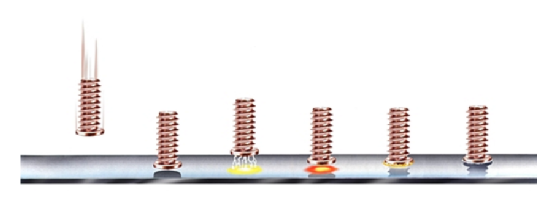
In automotive manufacturing, home appliance production, and precision equipment assembly, stud welding has become an indispensable joining process, valued for its high efficiency, reliability, and minimal thermal impact on the base material. Among its variants, short-cycle drawn-arc stud welding (SC) stands out for its rapid welding speed, precise heat input, and adaptability to thin-sheet and coated materials, making it a cornerstone technology in body-in-white (BIW) fabrication and subassembly production. Yet, maintaining consistent weld quality remains a persistent challenge. Defects such as spatter, cold welds (lack of fusion), porosity, and burn-through not only impair surface appearance but can also lead to functional failures. This article, grounded in the technical principles of leading systems—including those from Hongbai Technology and Emhart—provides an in-depth analysis of the process adjustment techniques for short-cycle drawn-arc stud welding. It is intended to offer a systematic, shop-floor-ready quality assurance framework for welding engineers and field technicians. 1. Process Principle and Core Parameters of Short‑Cycle Drawn‑Arc Stud Welding 1.1 Operating Principle and Sequence Control Short‑cycle drawn‑arc welding differs fundamentally from long‑cycle or capacitor‑discharge stud welding. Its essence lies in the precise timing of a highly controlled sequence to achieve a sound joint within an extremely short weld cycle. The standard sequence comprises the following phases: Contact Phase (Stud on Workpiece – SOW): The stud tip contacts the workpiece perpendicularly, closing the welding circuit. The system detects the SOW signal to initiate the cycle. Pilot Arc Phase: A low pilot current (typically ≈30 A) is applied while the linear motor (LM) rapidly lifts the stud to a preset height, striking a stable arc. This step removes surface contaminants (oil, oxides) to ensure stable main‑arc ignition. Main Arc Phase: Upon successful pilot arc establishment, the system instantly switches to the main welding current—ranging from several hundred to over a thousand amperes. The high‑energy arc rapidly melts…
 2026-06-08
As an efficient and stable solid-phase metal joining process, short-cycle drawn arc stud welding has been widely applied in industrial fields including automobile manufacturing, marine engineering and household appliance production due to its outstanding welding efficiency and joint reliability. The welding forming quality and joint mechanical properties of the process are highly dependent on the accurate matching and coordinated regulation of process parameters. Based on the technical specifications of multiple brands of stud welding equipment and combined with on-site commissioning experience, this paper systematically constructs a standardized and implementable process commissioning methodology from four dimensions: process parameter system, standardized commissioning procedure, process window optimization, and root cause analysis of defects and faults. It provides technical support for engineering technicians to quickly calibrate the optimal welding process window and improve welding process consistency and product yield. 1. Process Parameter System and Physical Significance The electrical welding process of short-cycle drawn arc stud welding can be divided into four core stages: short-circuit stage, pilot arc striking stage, main arc welding stage and forging forming stage. Each welding stage is equipped with exclusive corresponding process parameters. These parameters are not independent of each other but have strong coupling correlations, which jointly determine the welding heat input and weld pool forming state, and ultimately directly affect the forming quality and comprehensive mechanical properties of welding joints. Combined with the official technical manuals and process specifications of mainstream equipment brands such as Hongbai SAW-3600 series, PIDS series and Tucker, this paper systematically sorts out and summarizes the core parameter system of short-cycle drawn arc stud welding, as shown in the table below. Parameter Group Parameter Name Physical Significance / Functional Effect Typical Range Commissioning Priority Arc Striking Parameters Pilot Current Generates a stable low-current arc to remove oil contamination and galvanized layers on the workpiece…
 2026-05-22
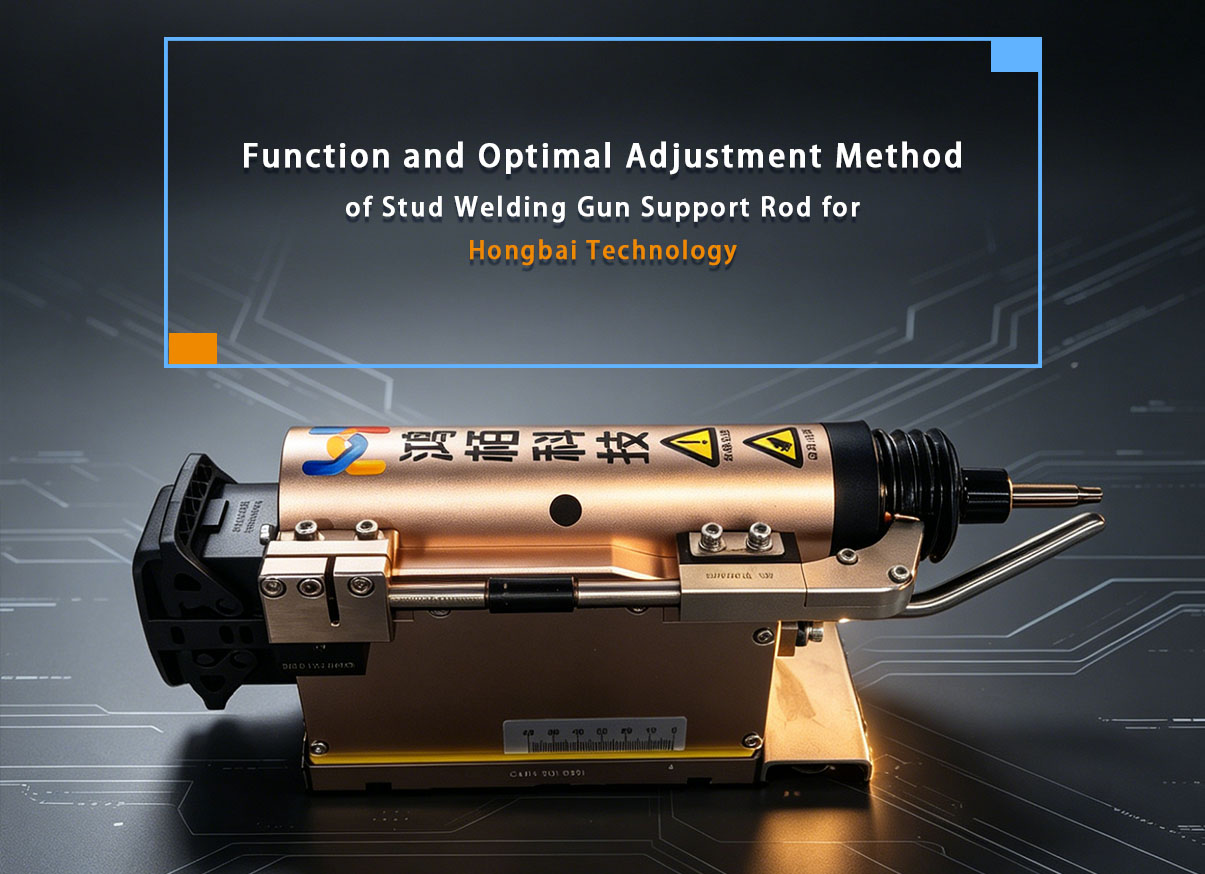
The support leg (or standoff leg) is a critical component on a stud welding gun, particularly on automatic welding guns. Below is a detailed explanation of its function and the best method for adjustment: I. Functions of the Support Leg The support leg (also referred to in some documentation as the foot assembly or front support leg) has the following primary functions: 1. Positioning the Stud Plunge/Protrusion: The support leg is used to determine the protruding length of the stud end relative to the front face of the welding gun (i.e., the stud plunge/protrusion length). This is a critical parameter affecting weld quality. 2. Ensuring Stud Alignment: The support leg works in conjunction with the chuck and the ferrule (or ceramic arc shield) to ensure the stud is centered in the welding gun, preventing welding defects caused by misalignment or off-center positioning. 3. Stabilizing the Welding Position: During the welding process, the support leg contacts the workpiece surface, ensuring a fixed relative position between the welding gun and the workpiece, thereby preventing gun movement or instability during welding. 4. Protecting the Contact Tip: The support leg is designed such that the end face of the contact tip is recessed approximately 2 mm below the end face of the support leg, effectively protecting the contact tip from damage caused by contact with the workpiece. II. Best Method for Adjusting the Support Leg Step 1: Verify Basic Conditions • The gun piston rod is naturally extended forward under compressed air pressure. • A stud is loaded into the contact tip. • The stud is in its final welding position within the contact tip. Step 2: Adjust the Support Leg Position Core Principle: The support leg must be positioned between the chuck and the stud. It must not be located behind…
 2026-04-24
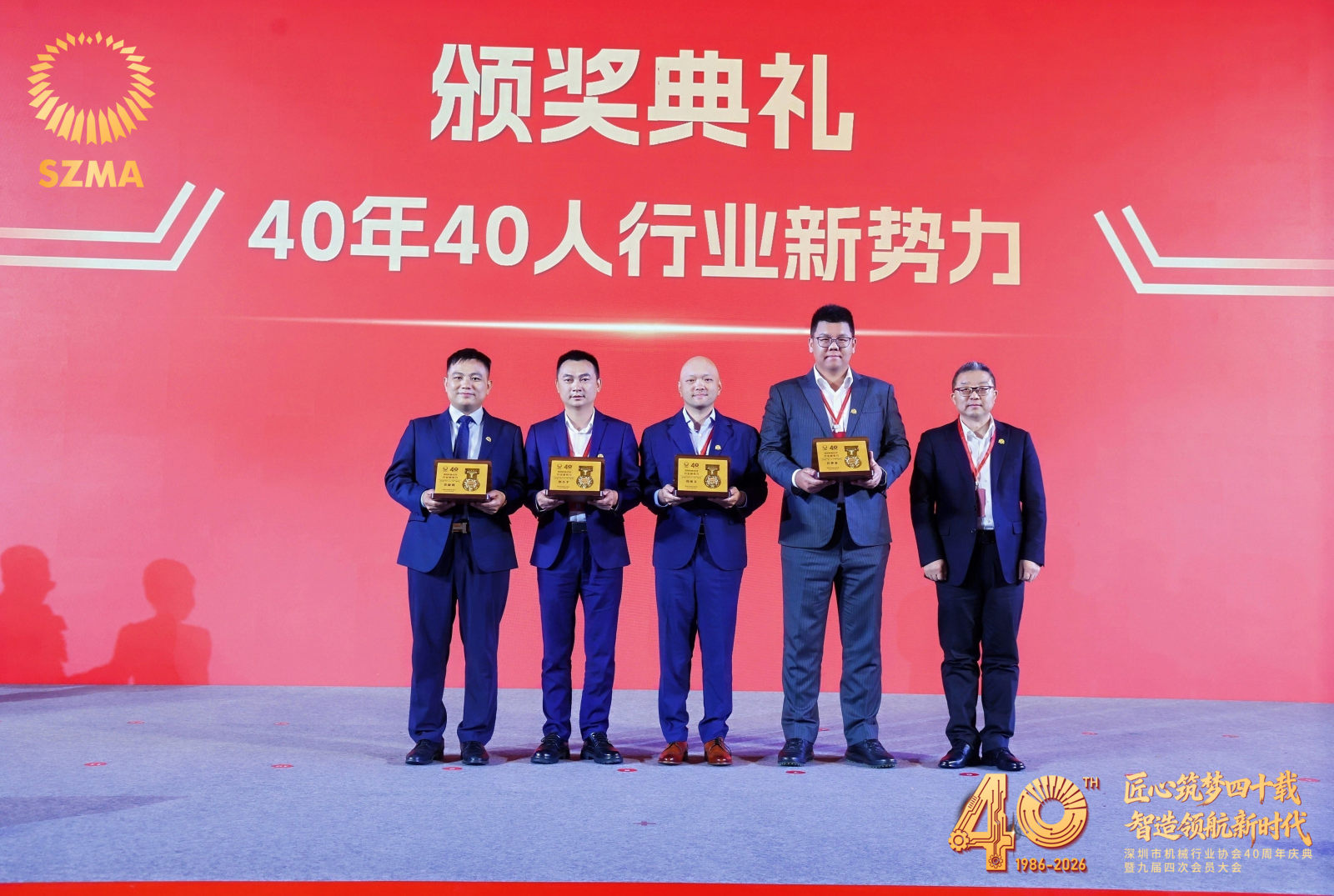
Recently, the 40th Anniversary Ceremony of Shenzhen Machinery Industry Association was successfully held. At the event, the official list of 40 Influential Leaders in 40 Years of Shenzhen Machinery was released. Mr. Han Peiwen, General Manager of Shenzhen Hongbai Technology Industrial Co., Ltd., was honored with the “New Industry Leader” title. This award recognizes his outstanding leadership, continuous technological innovation and long-term contributions to the machinery and intelligent manufacturing industry. For decades, high-end automotive welding equipment has long been dominated by European, American and Japanese brands. Since joining Hongbai Technology in 2009, Mr. Han has focused on automotive stud welding technology R&D and industrial upgrading. Leading the technical team, he overcame core technical barriers including high-power power control and advanced stud welding processes. Through independent innovation and countless R&D tests, Hongbai Technology successfully developed domestically self-developed automotive stud welding equipment, breaking long-term overseas market monopoly and realizing full import substitution. The company has steadily improved the localization rate of core components, stabilized the global supply chain, and achieved leading market share in the domestic industry. Meanwhile, our welding equipment and solutions have been exported worldwide, supporting the global development of the automotive manufacturing industry. In addition to technological breakthroughs, Mr. Han actively participates in industry standard formulation, promoting standardized and high-quality development of the welding equipment sector. This honor is a high recognition of Mr. Han’s personal achievements and Hongbai Technology’s adherence to independent R&D and high-quality manufacturing. In the future, Hongbai Technology will continue to focus on intelligent welding automation equipment, insist on technological innovation, and cooperate with global partners to empower the high-end and sustainable development of the global machinery and automotive manufacturing industry.
 Online
Contact us to provide you with exclusive services!
Complete the information immediately to provide you with exclusive services!
Back to Top
Others |
|
| Other uncategorized cookies are those that are being analyzed and have not been classified into a category as yet. | |
Necessary |
Necessary |
| Necessary cookies are absolutely essential for the website to function properly. These cookies ensure basic functionalities and security features of the website, anonymously. | |
Advertisement |
Necessary |
| Advertisement cookies are used to provide visitors with relevant ads and marketing campaigns. These cookies track visitors across websites and collect information to provide customized ads. | |
Analytics |
|
| Analytical cookies are used to understand how visitors interact with the website. These cookies help provide information on metrics the number of visitors, bounce rate, traffic source, etc. | |
Functional |
|
| Functional cookies help to perform certain functionalities like sharing the content of the website on social media platforms, collect feedbacks, and other third-party features. | |
Performance |
|
| Performance cookies are used to understand and analyze the key performance indexes of the website which helps in delivering a better user experience for the visitors. | |
This website uses cookies to improve your experience while you navigate through the website. Out of these, the cookies that are categorized as necessary are stored on your browser as they are essential for the working of basic functionalities of the website. We also use third-party cookies that help us analyze and understand how you use this website. These cookies will be stored in your browser only with your consent. You also have the option to opt-out of these cookies.