2026-08-10
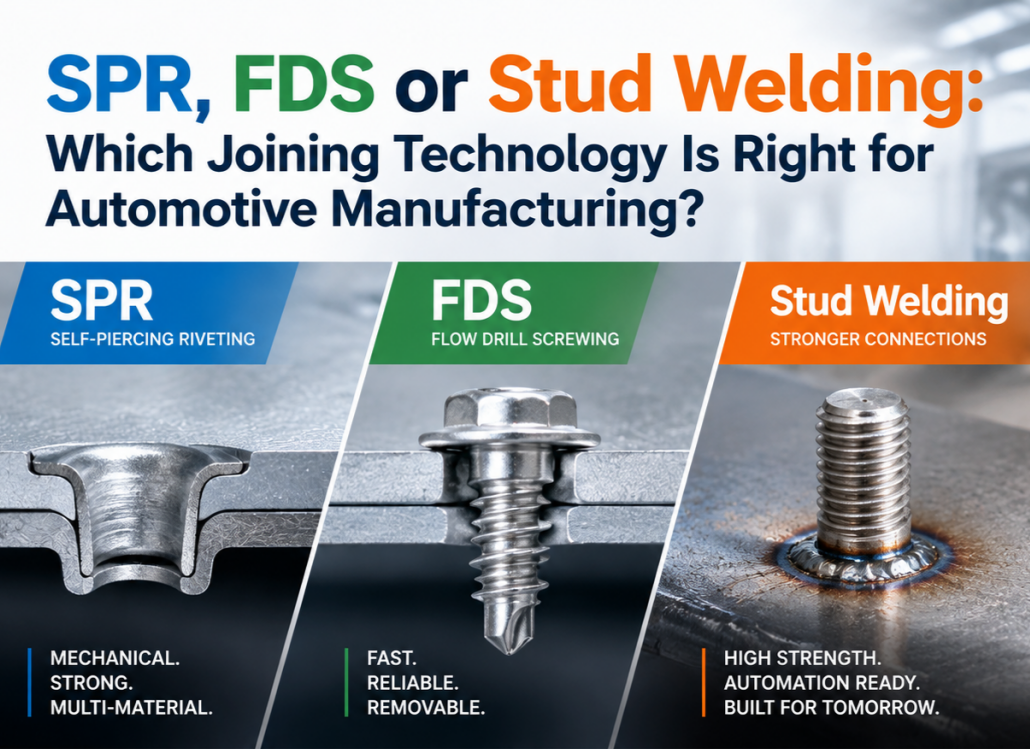
Introduction: The Evolution of Joining Technology in Modern Manufacturing For decades, resistance spot welding and traditional welding processes have been widely used in automotive manufacturing and industrial production. However, the rapid development of electric vehicles (EVs), lightweight structures, and multi-material applications has created new challenges for joining technologies. Modern manufacturing is no longer limited to single-material structures. Increasingly, manufacturers are working with combinations of: High-strength steel (AHSS) Aluminum alloys Galvanized steel Composite materials Multi-layer structures These materials provide significant advantages in weight reduction, energy efficiency, and product performance. However, they also introduce new challenges, including: Material compatibility issues Welding deformation Porosity and cracking risks Difficult access in complex structures Higher requirements for automation and quality monitoring For example, aluminum alloys have high thermal conductivity and a stable oxide layer on the surface, making traditional fusion welding more challenging. Problems such as unstable arc initiation, heat distortion, and welding defects can affect connection reliability. In addition, joining dissimilar materials such as steel and aluminum remains difficult due to differences in melting temperature, thermal expansion, and metallurgical properties. As a result, advanced joining technologies such as Stud Welding, SPR (Self-Piercing Riveting), and FDS (Flow Drill Screwing) have become increasingly important solutions for modern manufacturing. These technologies are not replacements for each other. Instead, each technology provides unique advantages for different material combinations, structural designs, and application requirements. 1. Stud Welding: A Reliable Solution for Functional Fastening Stud welding is a process that permanently joins a metal stud to a workpiece through an arc welding process. During welding, an arc is generated between the stud and the base material. After the contact surface melts, pressure is applied to complete the weld, creating a strong metallurgical connection. Unlike traditional welding methods that mainly join metal components together, stud welding creates an integrated fastening point…
2026-08-06
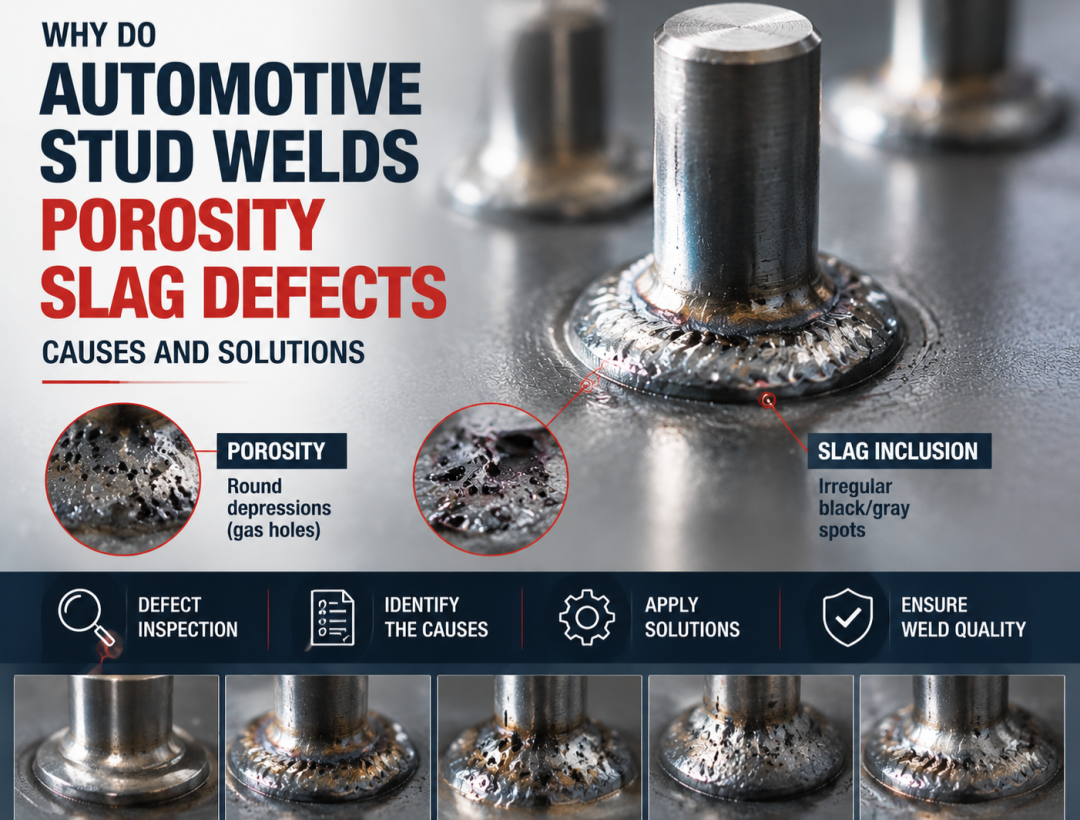
Introduction In automotive Body-in-White (BIW), automotive components, and new energy vehicle structural manufacturing, stud welding is widely used for applications such as cable harness fixing, heat shield installation, interior component mounting, and structural part assembly. However, in actual production, issues such as poor weld integrity, porosity, slag inclusion, and incomplete fusion remain key factors affecting stud welding quality stability. In severe cases, these defects can reduce stud strength and even cause stud detachment, affecting downstream assembly processes and product reliability. Based on stud welding principles and practical industrial applications, this article systematically analyzes the formation mechanisms, major causes, and engineering solutions for porosity and slag inclusion defects. 1. Formation Mechanism of Porosity and Slag Inclusion 1.1 Porosity Formation Mechanism: During the stud welding process, the high-temperature arc rapidly melts the welding area and forms a weld pool. If gases (such as H₂, CO, and N₂) inside the weld pool cannot escape before the molten metal solidifies, they will remain trapped inside the weld and form porosity. Porosity is mainly classified into: Surface porosity Internal porosity Among them, internal porosity is more difficult to detect and can reduce the effective strength of the welded joint. 1.2 Slag Inclusion Formation Mechanism: Slag inclusion refers to non-metallic impurities generated during the welding process that fail to escape in time and remain trapped inside the weld after solidification, forming defects. The main sources include: Oxides on the base material surface Oil contamination and foreign materials Coating residues Oxidation products generated during the welding process Slag inclusion reduces the effective bonding area of the weld and creates stress concentration areas, affecting weld joint reliability. 2. Six Root Causes of Porosity and Slag Inclusion 2.1 Workpiece Surface Contamination — The Most Common Cause Insufficient cleaning before welding is the primary cause of porosity and slag inclusion….
2026-07-16
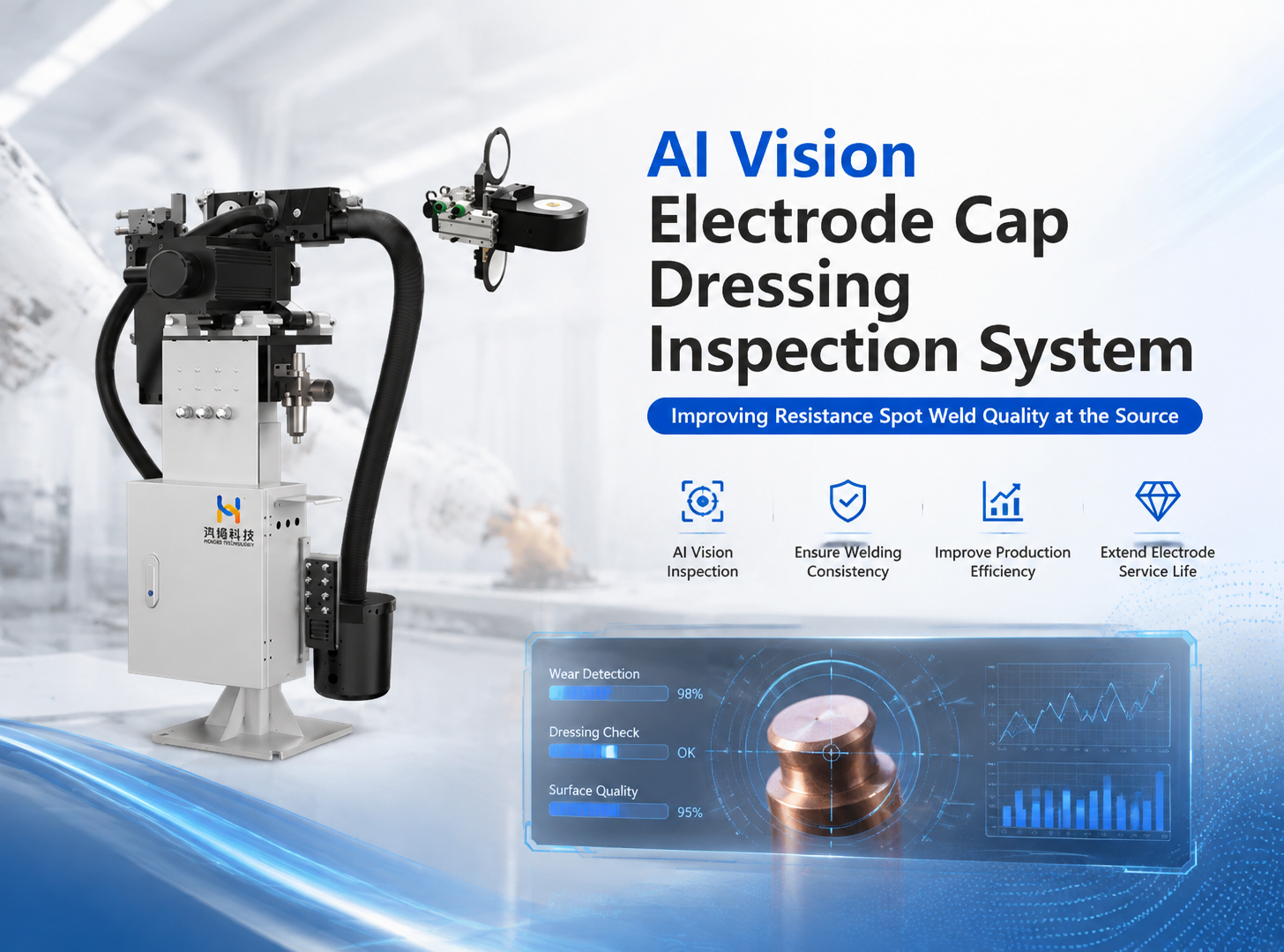
In automotive Body-in-White (BIW) production, resistance spot weld quality has a direct impact on vehicle structural integrity, safety, and durability. When investigating weld defects, manufacturers often focus on welding current, electrode force, and weld time. However, one critical factor affecting weld consistency is frequently overlooked—the condition of the electrode cap. Field experience has shown that inconsistent electrode cap dressing quality is one of the major causes of expulsion, undersized weld nuggets, weak welds, and poor weld consistency. As smart manufacturing continues to evolve, traditional maintenance methods based on manual inspection or fixed dressing intervals can no longer meet the requirements of high-speed automated production. AI-powered machine vision is rapidly becoming a new standard for resistance spot welding quality control. Why Is Electrode Cap Dressing So Important? The electrode cap directly influences current distribution and the electrical contact condition during resistance spot welding. After dressing, defects such as: • Off-center electrode face • Out-of-round electrode face • Copper pickup • Pits or raised surfaces • Incomplete or uneven dressing may result in: • Uneven current density • Inconsistent weld nugget size • Increased weld expulsion • Reduced weld strength • Shortened electrode life Therefore, electrode cap dressing quality affects not only electrode service life, but also the stability and consistency of every weld. Challenges with Conventional Electrode Dressing Many welding lines still rely on traditional electrode maintenance methods, including: • Dressing after a fixed number of welds • Manual visual inspection • Scheduled electrode cap replacement These methods present several limitations: • Inspection results depend heavily on operator experience. • Small surface defects are difficult to detect. • Premature dressing increases consumable costs, while delayed dressing compromises weld quality. • Lack of digital records makes root cause analysis and quality traceability difficult. For today’s high-volume automated welding lines, these approaches are…
2026-06-25
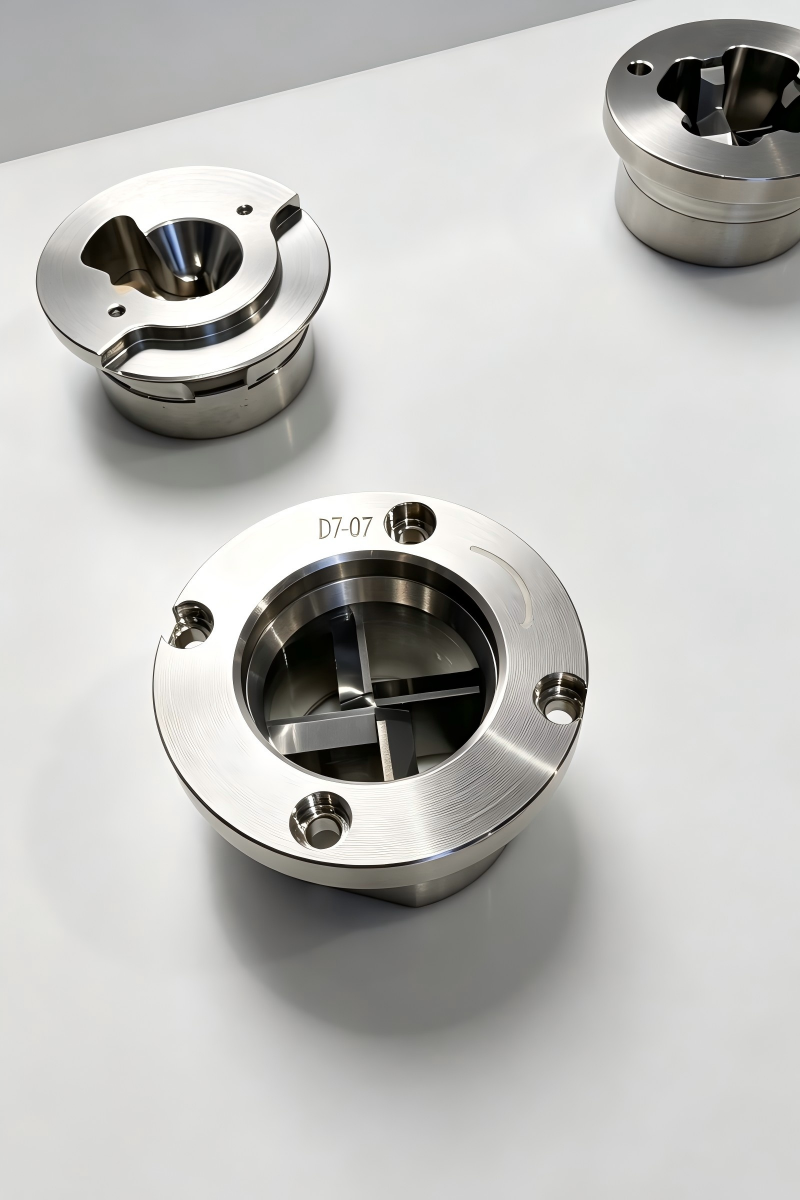
This article compares electrode cap grinding blade suppliers for auto body-in-white spot welding, covering material hardness, blade life, domestic vs. imported options, service response, and total cost of ownership.
2026-05-22
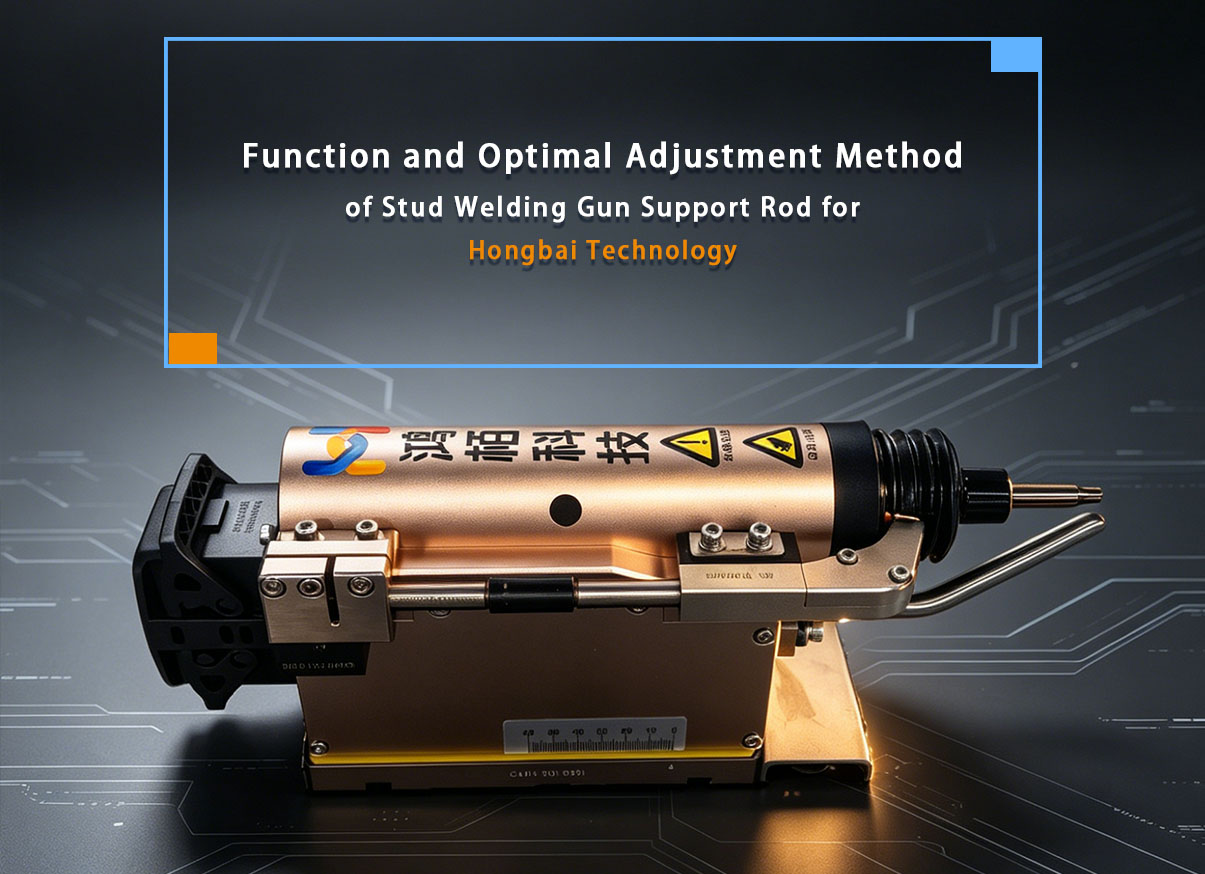
The support leg (or standoff leg) is a critical component on a stud welding gun, particularly on automatic welding guns. Below is a detailed explanation of its function and the best method for adjustment: I. Functions of the Support Leg The support leg (also referred to in some documentation as the foot assembly or front support leg) has the following primary functions: 1. Positioning the Stud Plunge/Protrusion: The support leg is used to determine the protruding length of the stud end relative to the front face of the welding gun (i.e., the stud plunge/protrusion length). This is a critical parameter affecting weld quality. 2. Ensuring Stud Alignment: The support leg works in conjunction with the chuck and the ferrule (or ceramic arc shield) to ensure the stud is centered in the welding gun, preventing welding defects caused by misalignment or off-center positioning. 3. Stabilizing the Welding Position: During the welding process, the support leg contacts the workpiece surface, ensuring a fixed relative position between the welding gun and the workpiece, thereby preventing gun movement or instability during welding. 4. Protecting the Contact Tip: The support leg is designed such that the end face of the contact tip is recessed approximately 2 mm below the end face of the support leg, effectively protecting the contact tip from damage caused by contact with the workpiece. II. Best Method for Adjusting the Support Leg Step 1: Verify Basic Conditions • The gun piston rod is naturally extended forward under compressed air pressure. • A stud is loaded into the contact tip. • The stud is in its final welding position within the contact tip. Step 2: Adjust the Support Leg Position Core Principle: The support leg must be positioned between the chuck and the stud. It must not be located behind…